50 Years Of The Male Gaze: Laura Mulvey’s Essay That Reframed Cinema Forever |
When Screen published Visual Pleasure and Narrative Cinema in 1975, few imagined it would redefine the language of film theory. Five decades later, its legacy still feels urgent, writes Ben McCann. |
IN OCTOBER 1975, the academic journal Screen published an essay by British film theorist Laura Mulvey titled Visual Pleasure and Narrative Cinema. It is a groundbreaking critique of classical Hollywood cinema, which Mulvey argues is constructed around patriarchal ideologies that shape how women are represented onscreen.
This foundational text transformed how scholars, film critics and audiences think about the relationship between gender and onscreen representation.
A critique of Hollywood
Mulvey came to prominence in the 1970s, a time when second-wave feminism was reshaping academic and cultural debates. She made films, often with her partner Peter Wollen. These included the experimental feminist works Riddles of the Sphinx (1977) and Penthesilea (1974).
The radical counter-cinema ideas expressed in her film works would make their way into her 1975 essay. Your pop culture fix awaits on OTTplay, for only Rs 149 per month. Grab this limited-time offer now! |
First, Mulvey grapples with Hollywood’s sexual politics and the stark imbalances of power between men and women.
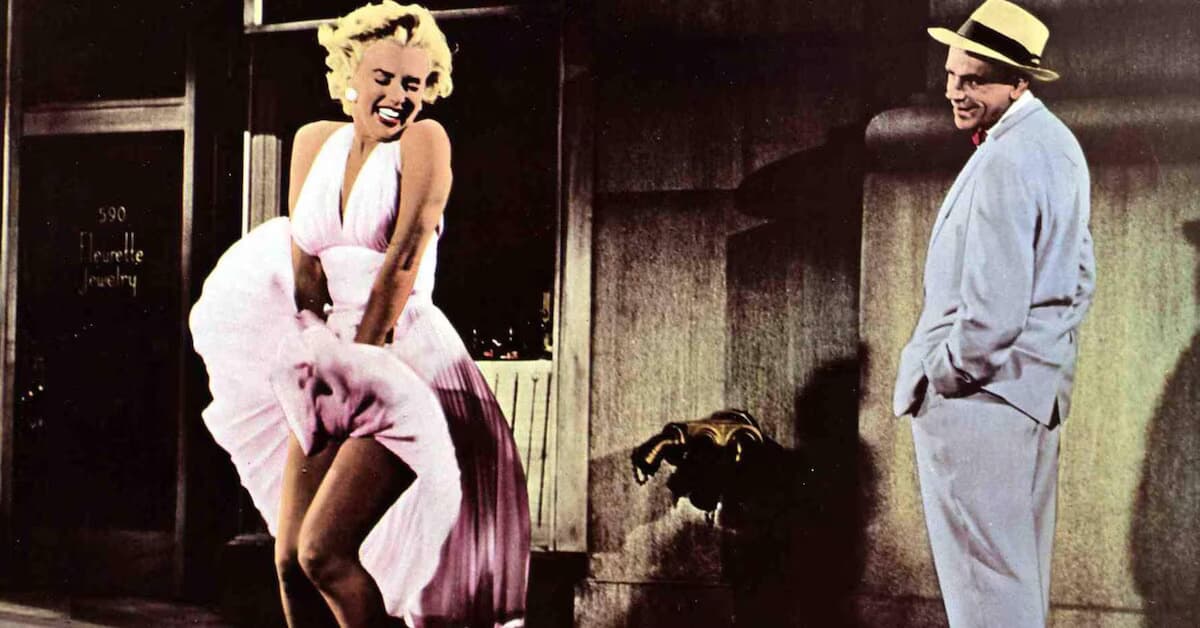
She suggests film adopts the viewpoint of a heterosexual male spectator: the camera lingers on women’s bodies, framing them for erotic appeal, while men typically drive the action and control the narrative:
The magic of the Hollywood style at its best […] arose, not exclusively, but in one important aspect, from its skilled and satisfying manipulation of visual pleasure. Unchallenged, mainstream film coded the erotic into the language of the dominant patriarchal order.
Mulvey says this “visual pleasure” is baked into the framework of Hollywood cinema. The way shots are composed, the way the camera moves, and the way scenes are edited all reinforce patriarchal power structures and objectify women. |
How the ‘male gaze’ works
A central tenet of the essay is the concept of the “male gaze”. This term has become central to feminist debates, not just in film studies, but also in media studies, art theory and advertising.
Drawing on the psychoanalytic theories of Sigmund Freud and Jacques Lacan, Mulvey argues that mainstream cinema positions women as passive objects of male desire.
Famously, she notes the:
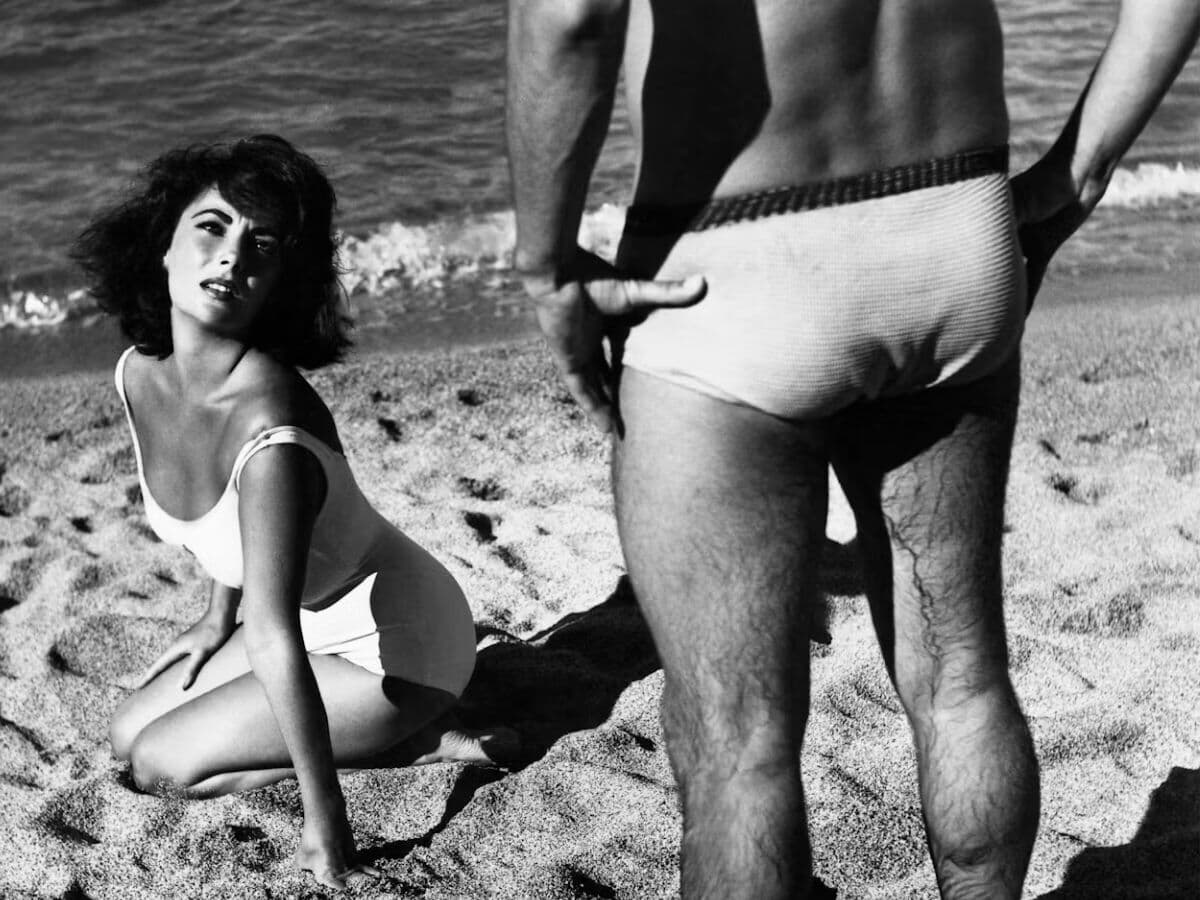
male gaze projects its phantasy onto the female figure, which is styled accordingly […] Women are simultaneously looked at and displayed, with their appearance coded for strong visual and erotic impact so that they can be said to connote to-be-looked-at-ness.
This male gaze is comprised of three interconnected “looks”: -
the look of the camera: how the film is shot (the framing, camera movement, editing and so forth)
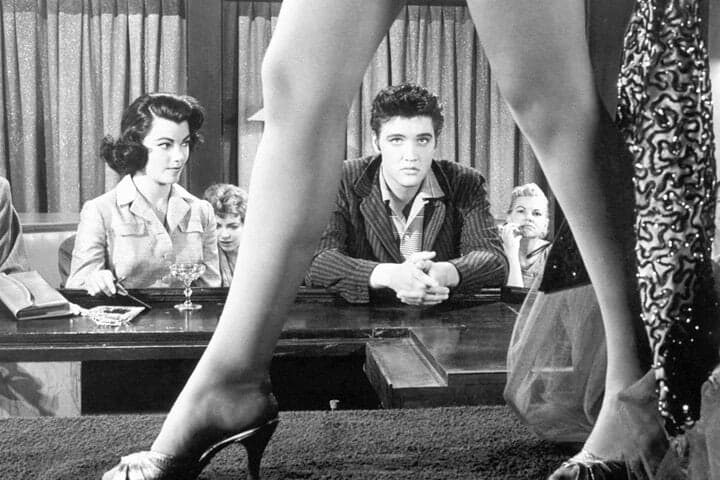
- the look of the characters: how male characters gaze at female characters
- the look of the audience: how spectators are positioned to adopt a masculine viewpoint.
|
When the camera eroticises a woman, when male characters watch her, and when the audience shares this view, the male gaze is at its most powerful.
Mulvey frequently uses psychoanalytic terms like “scopophilia” (the pleasure of watching) and “voyeurism” (secretly watching for pleasure) to explain how Hollywood cinema reinforces unconscious desires and power structures.
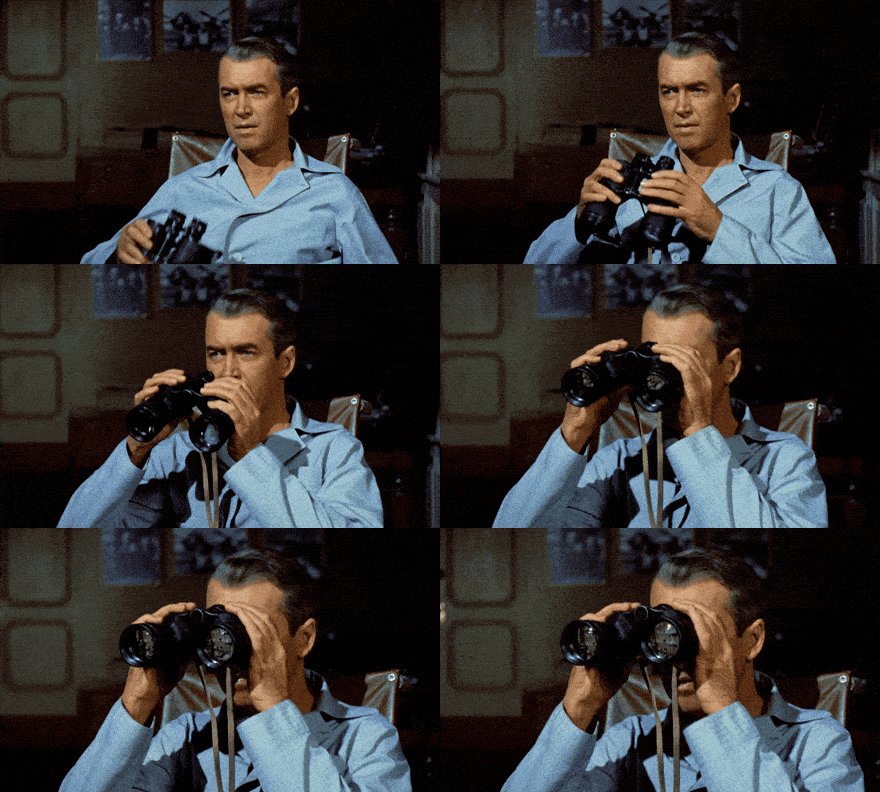
Her examples come from the 1940s and 1950s Hollywood, and especially the films of Alfred Hitchcock. She notes how, in Rear Window (1954), James Stewart’s photographer character spends much of the film secretly looking through his camera lens into other people’s apartments.
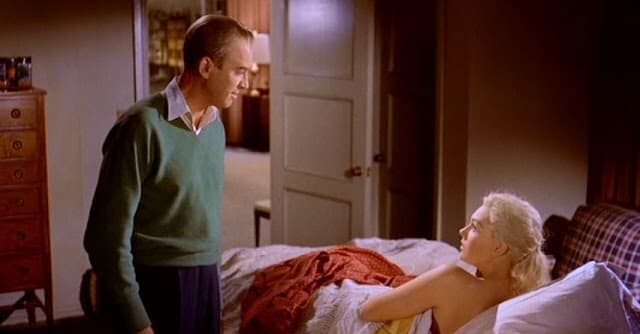
In Vertigo (1958), James Stewart (this time playing a detective) voyeuristically stalks Kim Novak’s Madeleine. He follows, watches and falls in love with a perfect image of female mystery and beauty. Hitchcock’s shot selection makes the viewer complicit in his voyeurism.
We can see the male gaze in slow-motion or lingering shots that focus on sexualised aspects of women’s bodies, in lighting and costumes designed to emphasise the erotic, or in narratives that halt for a moment of female display, before the main plot resumes.
Cameron Diaz’s first appearance in The Mask (1994) is a clear example of the male gaze in full operation. |
Critiques of Mulvey’s argument
Various scholars have challenged Mulvey’s text. Feminist scholar Camille Paglia called Mulvey’s argument “simplistic”, saying:
The idea that a man looking at or a director filming a beautiful woman makes her an object, makes her passive beneath the male gaze […] I think this was utter nonsense from the start. […] It was an a priori theory: first there was feminist ideology, asserting that history is nothing but male oppression and female victimisation, and then came this theory — the “victim” model of feminism applied wholesale to works of culture.
Others argue that Mulvey failed to take into account spectator diversity, as not all viewers are heterosexual men.
In 1992, American theorist bell hooks coined the term “oppositional gaze” to offer a counterpoint to the sexualized, gendered gaze proposed by Mulvey that took into account racial power dynamics.
Mulvey herself has acknowledged these critiques. In her 1990 essay Afterthoughts on Visual Pleasure and Narrative Cinema, she revisits her arguments to account for more fluid and diverse spectatorship. |
Mulvey’s legacy Mulvey’s concepts from the 1970s still apply to contemporary films. The male gaze continues to manifest in filmmaking patterns designed to align spectators with male characters.
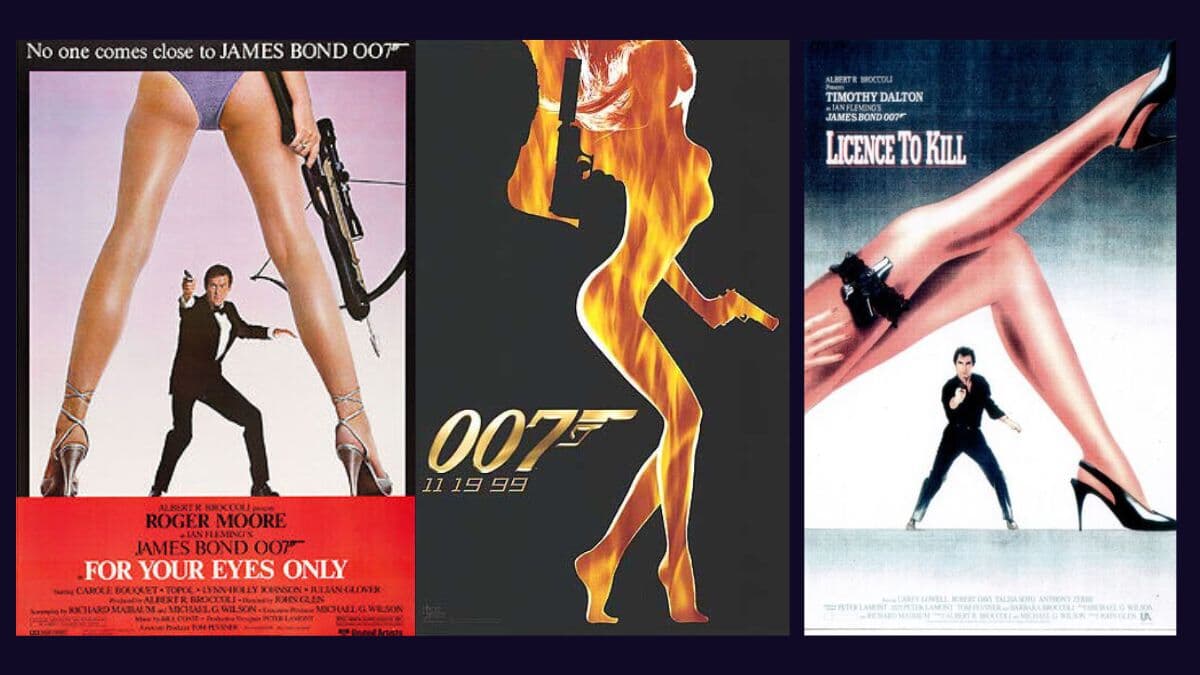
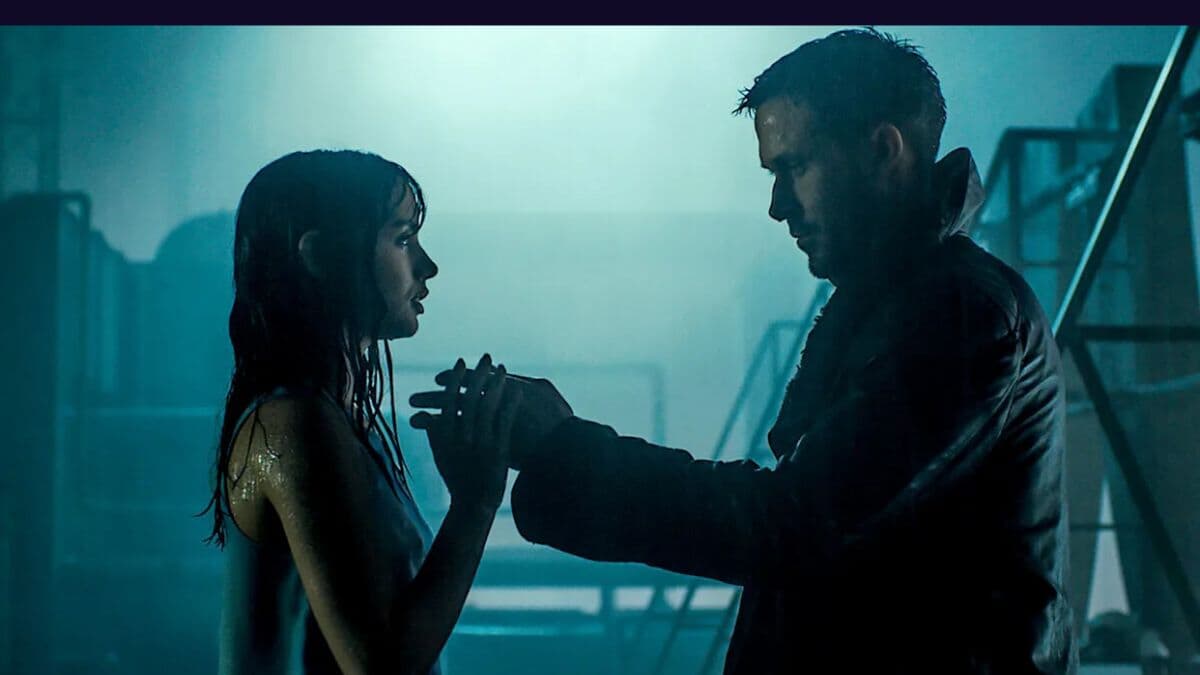
The James Bond franchise has long presented women characters as eroticised objects that exist merely for the hero’s pleasure. And the critically acclaimed Blade Runner 2049 (2017) was criticised for treating female characters as sex objects. Terms such as “female gaze” and “queer gaze” have become increasingly common on social media and in film analysis.
Mulvey’s essay reflected a specific moment in 1970s feminist thought. She recently said, at the time, she thought it would eventually become “an archaeological object of theoretical and historical interest”.
Yet, 50 years on, her identification of the basic dynamics of Hollywood continues to shape much of our understanding of visual media.
Ben McCann is an Associate Professor of French Studies at the University of Adelaide. This essay originally appeared on The Conversation and has been republished here under the Creative Commons License.
Psst...Blade Runner 2049 is currently streaming on Sony LIV, available with your OTTplay Premium subscription. |
Like what you read? Get more of what you like. Visit the OTTplay website or download the app to stay up-to-date with news, recommendations and special offers on streaming content.
Plus: always get the latest reviews. Sign up for our newsletters. Already a subscriber? Forward this email to a friend, or use the share buttons below. |
|
|
This weekly newsletter compiles a list of the latest (and most important) reviews from OTTplay so you can figure what to watch or ditch over the weekend ahead.
|
| Each week, our editors pick one long-form, writerly piece that they think it worthy of your attention, and dice it into easily digestible bits for you to mull over.
|
| In which we invite a scholar of cinema, devotee of the moving image, to write a prose poem dedicated to their poison of choice. Expect to spend an
hour on this. |
|
|
Hindustan Media Ventures Limited,
Hindustan Times House, 18-20,
Second Floor, Kasturba Gandhi
Marg, New Delhi - 110 001, India |
DOWNLOAD THE OTTPLAY APP ▼ |
|
|
If you need any guidance or support along the way, please send an email to ottplay@htmedialabs.com. We’re here to help! |
©️2025 OTTplay, HT Media Labs. All rights reserved. |
|
|
|