


Chiraiya Mansplains Marital Rape To Women
This is #CriticalMargin, where Ishita Sengupta gets contemplative over new Hindi films and shows.
Last Updated: 09.15 PM, Mar 21, 2026
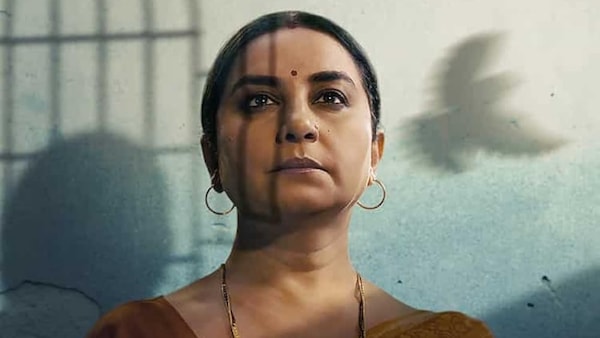
IF Shashant Shah’s Chiraiya was a person, it would be a man posing as a performative liberal on social media to farm likes. One whose Instagram is filled with quotes on female empowerment and quote-tweets are explainers on the second wave of feminism. If the six-episode series was a person, it would be a man whose personality is compassion and tears the chosen language of it. If the show was indeed a person, it would be a man mansplaining about issues women face…to a woman.
For nothing else explains its heightened tonality, the invisible high ground it stands on and the need to spell out every single thing. The literalness of the series is hard to believe, giving the impression that it is more of an animated PSA than a written work. Every episode is an example but here are some: when a woman expresses discomfort to her husband, she says, “I am more than a body” only to hear, “You are a diva”; in another instance two women, each from different schools of thoughts, discuss patriarchy and one of them says, “Men are in positions of power. Women are only part of the system”.
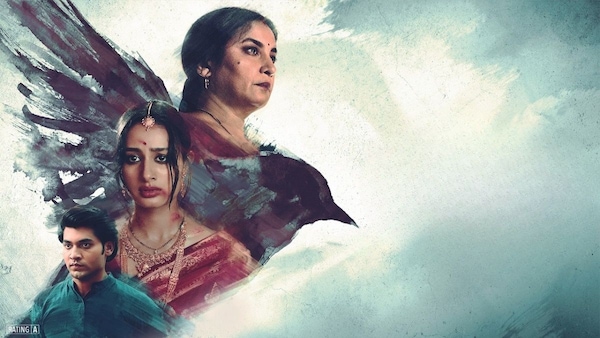
The blatancy of the messaging leaks in every aspect. Written by Divy Nidhi Sharma, Chiraiya is about marital rape — a topic not just sensitive in nature but also one that the Indian law refuses to criminalise till date. The legal elusion of this hinges on a nuance — not in the act as such, but the way it is recognised. Pop culture, after all, has not just perpetuated rape through a crude visual language but in doing so, made the coercion harder to recognise when wrapped up in tradition. And this subtlety has contributed in treating marriage and rape as mutually exclusive.
Shah’s Chiraiya, however, treats and depicts the act in the most overt way. A young girl is married to a liberal household and on their wedding night, her husband forces himself on her. The bones of the premise are so brittle that the roadmap it will embark upon is clear from the first episode itself. Things are only made more obvious with the protagonist — Kamlesh (Divya Dutta), the survivor’s sister-in-law and footsoldier of patriarchy in the household. Bearing a man’s name, she is everything that women are expected to be. She is obedient, forgiving towards men and believes that the kitchen is the desired space for women.
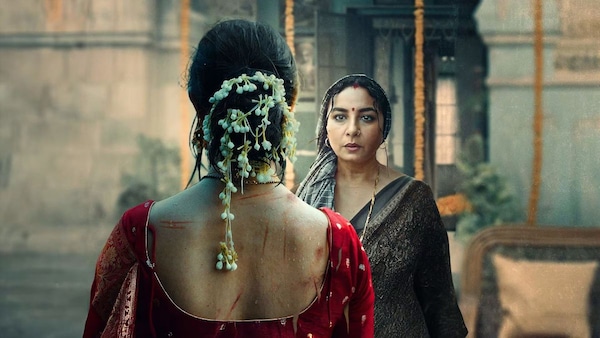
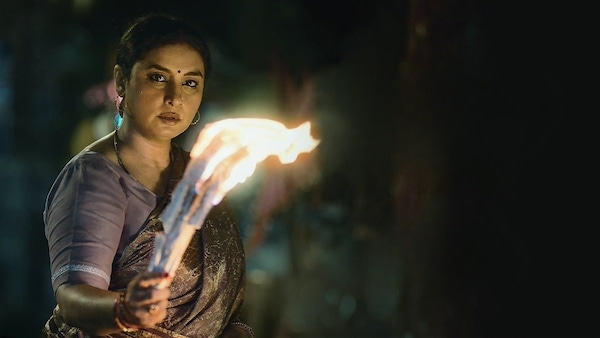
Kamlesh is also treated as a stand-in for the audience. Her learning journey and unlearning of social conditioning become the way for those watching to be more informed. Her transformation happens in less than three episodes but the haste becomes a lesser problem as the tepid writing takes center stage. Kamlesh goes about getting familiar with feminism like a child learning how to walk. She looks up “consent”, starts reading the front page of the newspaper (something she was certain was only a man’s prerogative) and then finally goes to an activist to ask if women can have rights after marriage.
For a show so heavily leaning on women’s plight, Chiraiya treats both Kamlesh and Pooja (Prasanna Bisht), the one going through the ordeal, as props. Both have the depth of a peanut and exist as lessons for others, especially men, to learn from. This, apart from everything else, is the biggest issue with Chiraiya — a show designed for women but written for men.
Disclaimer: The views expressed in this column are those of the author and do not necessarily reflect the official policy or position of OTTplay. The author is solely responsible for any claims arising out of the content of this column.