


Maalik: Rajkummar Rao Falls Flat In This Same Old Story
Pulkit's Maalik is like most Hindi films, taking a shot through gratuitous violence to earn billions at the box office. Brutality abounds in the story, and the purpose of it is brutality itself.
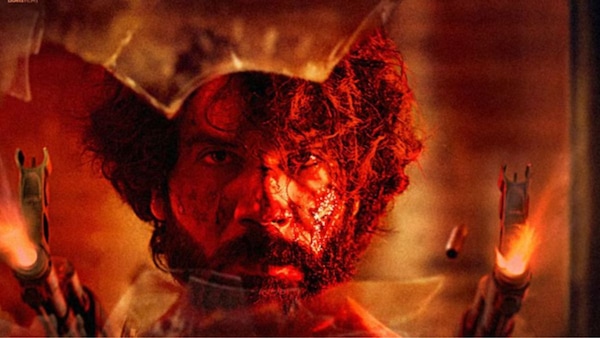
Promo poster for Maalik.
Last Updated: 09.41 PM, Jul 11, 2025
WE ARE LIVING IN DIRE TIMES. Films are being made by the dozen, and none can be told apart. Generic music is the norm, and graphic, violent visuals leak from one Friday to the next. This trifecta of male rage, ruthlessness and sad music has been reiterated with such force and abandon that a deep insensitivity has cultivated in both the makers and the audience. A splash of blood doesn’t cut it anymore; a jab of a knife doesn’t do the job. People cannot be gunned down. They need to be murdered, sliced and butchered. They need to really, really die for the hero to be sated and the audience to cheer.
When violence assumed such glamour is hard to pinpoint, but the continued success of most actioners, each centring on a bloodthirsty lead, is spawning iterations of the same. And each male actor is trying their chances at it. Rajkummar Rao does the same in Maalik, a film so imitative that it could be the synonym of ‘derivative’.
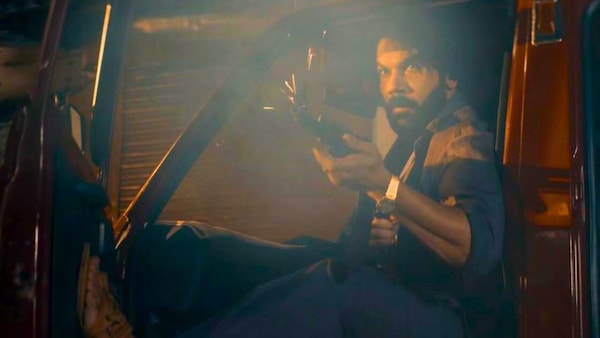
Rao has a face full of beard and hair falling on the side like Allu Arjun in Pushpa. He wears round black glasses and keeps smoking like Shahid Kapoor in Kabir Singh. He hangs multiple people at once, like Sunny Deol’s character did in Jaat. His sense of morality is shrunken (like most of these male protagonists cited above), and crime is justified in his head because life has been unfair to him.
To put it succinctly, his character is nothing like we haven’t seen before, and Maalik is like most Hindi films, taking a shot through gratuitous violence to earn billions at the box office. Brutality abounds in the story, and the purpose of it is brutality itself. Most times, it feels like makers operate in an echo chamber where each furiously takes notes while the other is writing, and what has come out of this is an assembly line production that belittles both the actor in the frame and those investing their time to watch it.
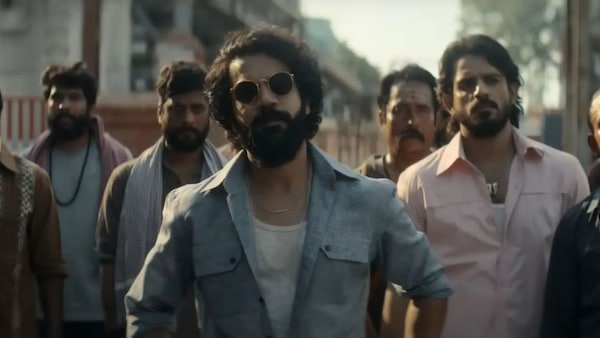
Pulkit’s film takes place in Uttar Pradesh during the 1990s. Deepak (Rao), son of a farmer, is nothing like his situation demands of him. He is brash and arrogant. When his father is attacked by a politician’s goons (Saurabh Shukla having fun), Deepak avenges it and earns the admiration of the main person. Deepak is quickly christened Maalik, and soon, he has men infiltrating and earning from every business deal. Maalik also pursues political ambition, but the arrival of a heedless cop (Prosenjit Chatterjee) derails his plans a little.
It is easier to guess what happens in Maalik from here than to predict Mumbai’s weather in July. As Maalik gets reckless, he earns the wrath of more people (including his colleague in crime Chandrasekhar, played by Saurabh Sachdeva, and a wily minister essayed by Swanand Kirkire). He kills their men, and their men kill his men. Bullets rain, and betrayal hangs in the air.
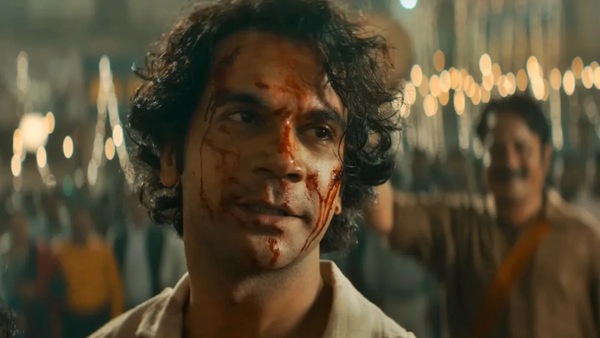
Unlike Pulkit’s inciting Bhakshak (2024), Maalik is tame and empty. There is no purpose to the bloodshed and no political leaning of the politicians. Characters refuse to shoot each other because dialogues get in the way, and the film keeps unravelling because it doesn’t know when to stop. Neither does Maalik, as forgettable a male lead as they come.