


Ek Deewane Ki Deewaniyat Is Really, Really Terrible
Ek Deewane Ki Deewaniyat is what happens when data drives filmmakers and reels inform filmmaking choices. It is what happens when content is baptised as storytelling.

Promo poster for Ek Deewane Ki Deewaniyat.
Last Updated: 05.53 PM, Oct 22, 2025
MILAP ZAVERI'S Ek Deewane Ki Deewaniyat is the worst film of the year. I say this knowing that there are a few months left, that art is subjective, and the response it evokes is objective. I also say this because there is more strategy than heart involved in the making, and despite every tear and slo-mo being curated for cheers, Zaveri’s new work is gratuitous, concerning, and I will go out on a limb and say, is really terrible.
Ek Deewane Ki Deewaniyat is what happens when data drives filmmakers and reels inform filmmaking choices. It is what happens when content is baptised as storytelling and a droning background score is mistaken for music. It is what happens when Milap Zaveri makes another film when none of us are looking. In an ideal world, Ek Deewane Ki Deewaniyat should not happen, but here we are; what do we do?
Zaveri’s feature revolves around two people who derive all their sexual energy from saying no to each other. If this sounds extreme, you should try watching the film, which is an extreme sport in itself. Vikramaditya Bhonsle (Harshvardhan Rane, the in-house sadboi) is a politician whose mother died in childbirth. Since then, his personality comprises two things: being cocky and annoying. He accidentally meets Adaa Randhawa (Sonam Bajwa) and is obsessed. Given his nature, seeking her permission in the matter escapes him, so after confessing feelings, he ends up straight at her house with sweets and wedding cards. Adaa is not pleased.
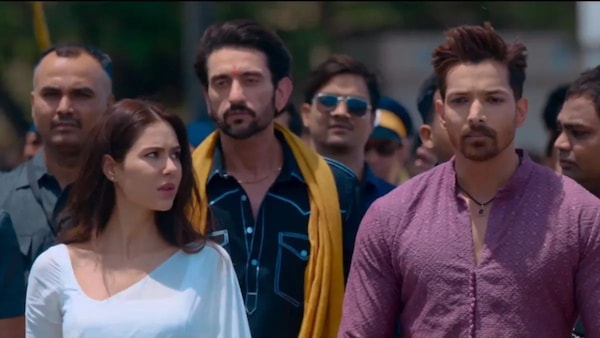
If the mental health of the audience was of any concern, then Ek Deewane Ki Deewaniyat should have ended here. But Zaveri just got started. Post this, he crafts a grating, unending and excruciating tale of the man trying to win over the girl and the girl refusing to relent. If one assumes that this is a story about consent, then let me burst the bubble: Ek Deewane Ki Deewaniyat is so anti-consent that the film propagates ‘yes’ is ‘yes’, ‘maybe’ is ‘yes’ and ‘no’ is definitely ‘yes’.
And yet, here’s the most infuriating bit: the writers (Mushtaq Shiekh and Zaveri are credited) are convinced that this is their paean to female consent. Even when everything in the film suggests the total opposite. For the largest chunk of the runtime, Ek Deewane Ki Deewaniyat romanticises every inch of an obsessive stalker, even when he goes about his day by refusing to take ‘no’ for an answer. The film does not make Vikramaditya heroic; he is the indisputable hero of the film. And it is achieved by writing him as a man-child who is entitled but also forgiving, who is demanding, but the one demand he puts forth is being loved, and who might disrespect the girl’s refusal but showers her with respect otherwise. This is supposed to be a subterfuge, but this is clearly what Zaveri is promoting.
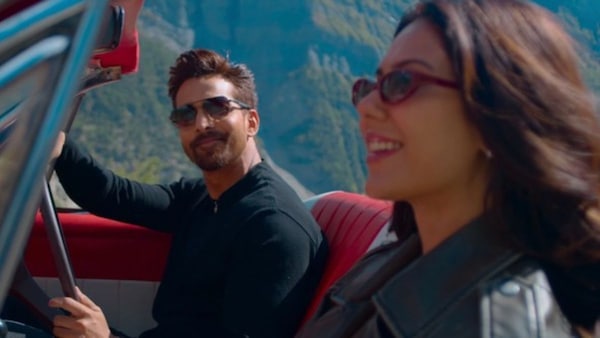
The worst manifestation of the intrinsic misogyny of the film is reflected in the female character, written with vengeful disdain. Adaa has the interiority of a caterpillar. We know she is headstrong because in one merciful scene, she refuses to kiss in a film despite the producer forcing her (it matters not that the only acting chops Ek Deewane Ki Deewaniyat shows the character having is dancing in fake rain). It is a trainwreck from her running up to a wild plot twist where — to fend off Vikramaditya — she publicly declares that she will sleep with any man who kills the politician.
With all of this going on, Zaveri takes the gutsy call to push for another twist at the end and declare that, actually, the film is about female choices. But here’s the thing: Ek Deewane Ki Deewaniyat cares about women as much as Indians care about keeping the roads clean. I have seen several bad films, but this has carved out a level for itself that I didn’t think existed.