


Saare Jahan Se Accha: An Effective Anti-Glorification Of Espionage’s Greatest Hits
Saare Jahan Se Accha dares to humanise people on both sides. It reaches for the insides of jingoism to unearth something more human — personalities, families, anxieties and aspirations.
Last Updated: 03.03 PM, Aug 13, 2025
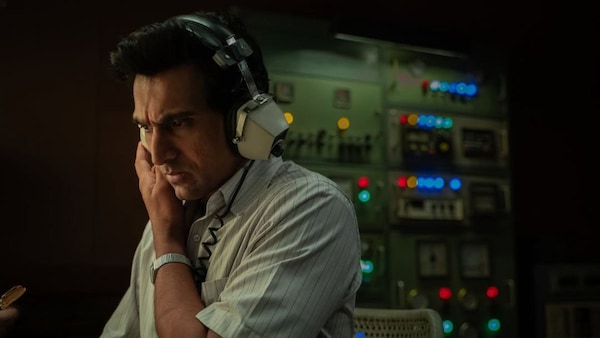
THE HIGH POINT of Netflix’s Saare Jahan Se Accha comes at the midway point of the second episode, when a convulsive, scared mole tears down the throat a landline phone in extreme anguish. “Maine chaar saal se apni maa se baat nahi ki hai,” he screams, moments after having evaded certain evisceration at the hands of the enemy. This pained spy’s misery is compounded and complicated by the fact that he is courting a local woman with the intent of getting closer to her army man brother. “I don’t know if I love her or if I love her for you,” he ponders out loud, while speaking to the employers who can neither vouch nor reassure his existence. It’s this cost, this nowhere place between grasping and being caught, that this six-episode mini-series attempts to evoke. It’s an interesting epilogue to chest-thumping romps of global espionage. The binds and burdens beyond Bond.
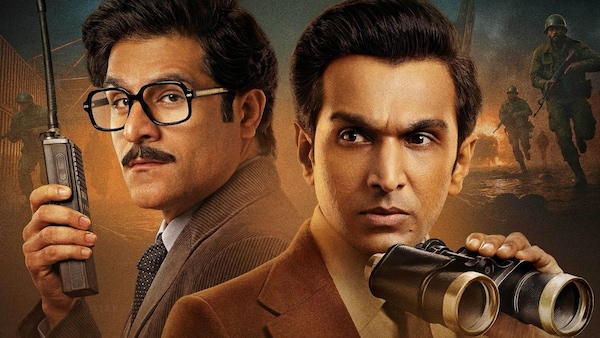
Pratik Gandhi plays Vishnu Shankar, a dogged, but empathetic spy nursing the wounds of having been ‘out-spyed’ in the death of India’s greatest scientific mind, Dr Homi Bhabha. Shankar is nervy, unassuming in his presence, but possesses grit and patriotism in bundles. From a back-office research desk, he takes to the field, hot on the trail of Pakistan’s up-and-coming secret nuclear facility. The mission, therefore, isn’t a stylised walkabout on foreign soil but a studious investigation of an enemy’s bureaucratic workings. “It’s their ground, their battle. But you’re the one who has to win,” Shankar’s boss, played by the dependable Rajat Kapoor, tells him point-blank. There are no second chances in espionage. In fact, there are no first chances either. There is just resilience against the inevitable.
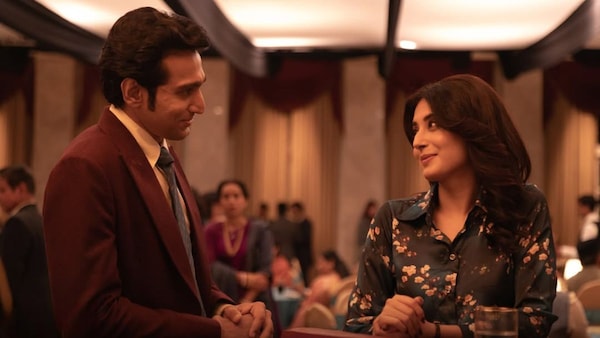
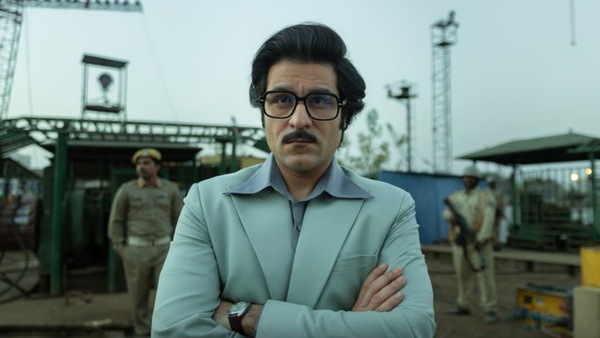
Shankar is committed to the point that he gets married to get a diplomatic passport and entry into Pakistan. With him is his doting but naive wife, played by the graceful Tillotama Shome. But to survive Pakistan, or better still, oust it among its machinery of spies, armies and of course, intelligence, Shankar must go up against the mind of Murtaza Malik (Sunny Hinduja), a bespectacled, ominously composed man who thinks with the coldness of a judge and executes with the ferocity of a canine. But this isn’t your token India-Pakistan bout. Saare Jahan Se Accha dares to humanise people on both sides. It reaches for the insides of jingoism to unearth something more human — personalities, families, anxieties and aspirations.
To which effect, this series, created by Gaurav Shukla, finds its footing, not in the escapades of a self-reverential spy, but in the quiet agony of trying to become him without losing your sense of self. Gandhi is on the money as a soft but ultimately curt operator of things. He chases missions, leaks and sources with a vengeance but can’t help but beam sensitivity in response. At one point, he tells an incumbent asset that he’s made contact with his estranged mother. And that he will arrange for them to speak. “Bahut zyada hogya”, he admits to his onlooking colleague, in the sort of unspecific tone that neither admits fragility nor shrewdness. It’s impossible to tell who plays whom, and whether the emotional jargon carries any weight or simply fills vacuums carved by conflict and suspicion. Which is where Saare Jahan Se Accha is both intriguing and frustrating.
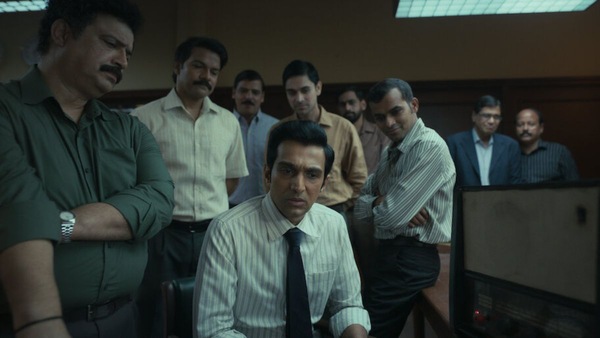
The tone taken by the show is often contradictory. On the one end, it wants to come across as a procedural, a near watered-down exploration of espionage without any of the grandeur and snobbery that makes the rest of humanity look like chimps. On the other hand, the elementary positioning and treatment give way to the notion of an underdog story inching towards some sort of emphatic denouement. There are moments when the show’s sobriety really comes through. In a scene where two agents must exchange a document inside a theatre, Shankar walks away from his wife without as much as a glance or acknowledgement of her existence. It’s a quietly powerful scene, one that shows without necessarily telling. But then, the same show also dives into intimate soliloquies, dramatic exchanges between warring friends to beat home the desperation of the quests, and the prices they claim in return.
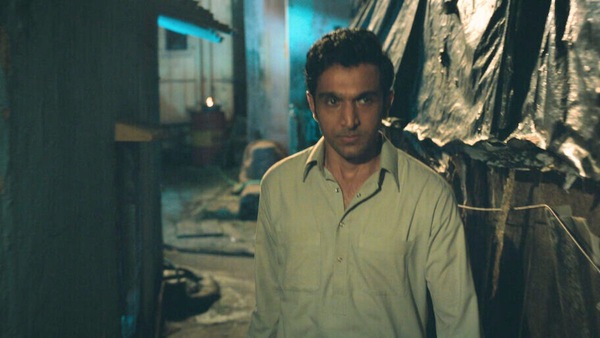
Saare Jahan Se Accha isn’t a great entertainer because it simply isn’t built like one. There aren’t many twists or turns to uncover, except for the confusion and the adrenaline that the protagonists must endure. The betrayals can be preempted, the reveals anticipated, and yet there is the enduring sense of unease. Not at the missions or the bumps themselves, or identity of the victor, but around the fact that victory was never the destination. All that everyone gathers on both sides are losses. Entire lives, lineages and histories pushed aside in the service of something we are still in the process of defining. The show can’t, unfortunately, tap into the poetics of something so critical yet obscene, but it does swing for something more nuanced and methodical than your usual spy A vs spy B battle. The farce of which presents itself not in the title but in its English translation, “Best in the World”.
Saare Jahan Se Accha is now streaming on Netflix.