


Sarzameen: Ineffective Thriller With No Voice
Every frame of Sarzameen is dunked in staleness, and the dialogues are woefully clunky. Kayoze Irani’s filmmaking is worryingly absent: there's no staging, no build-up, no arc, no inspired casting.
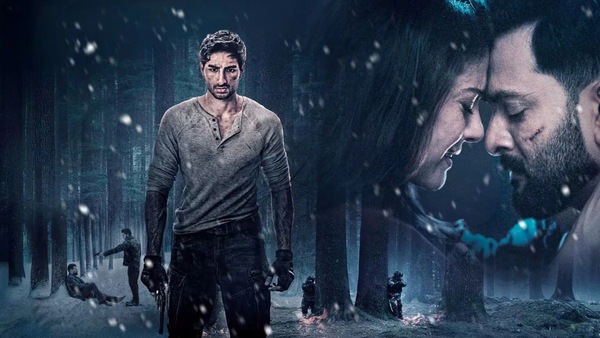
Promo poster for Sarzameen.
Last Updated: 08.21 PM, Jul 25, 2025
KAYOZE IRANI'S Sarzameen, comes in the long line of films that sacrifice a decent idea at the altar of inept filmmaking. It is one of those political films that props itself up to make a statement but lacks both the spine and the bite to articulate its politics. Kannan Iyer’s Ae Watan Mere Watan (2024) is a recent example, also backed by Dharma Productions, where the voice of the maker got lost in the chaos of commentary. But if Sarzameen is to be believed, Irani has no voice.
This, of course, is not wholly true. Before directing his feature debut, Irani helmed one of the better shorts in the uneven Netflix anthology Ajeeb Daastaans (2021). There was genuine sensitivity on display even when aided by a persuasive cast. Four years since, nothing of that remains. Sarzameen could have been directed by a tree, and I still wouldn’t be surprised. Every frame of the film is dunked in staleness, and the dialogues are woefully clunky, like an AI is talking to another AI.
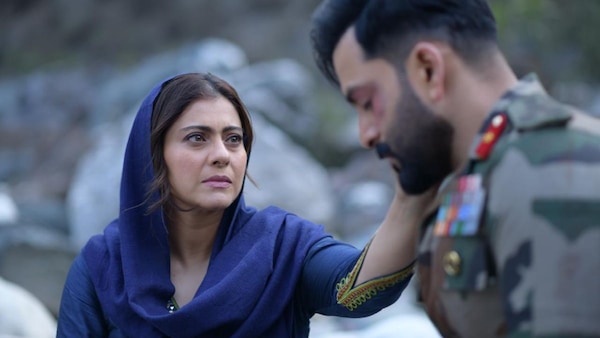
Here are some examples. When an army officer sacrifices his child for the country, his tearful wife says, “Mujhe mera bachcha chaiye; tumhare liye woh operation hoga, mere liye woh mere jeene ki wajah hain” (I want my child back; he might be an operation for you but he is the purpose of my life”); later when the same man thinks back to his childhood and being told off by his father for being too weak, characters speak like this: “Tum yeh wardi pehenna chahte ho lekin nahi pehen paaoge, kyunki kamzor log iss wardi ke layak nahi hote.” (You want to wear the uniform, but you will not be able to because weak people are not worthy of it ). Honestly, the whole film could have been an email.
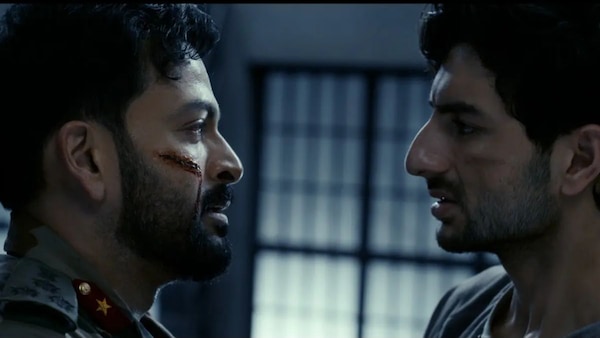
Written by Aayush Soni, Sarzameen is based in Kashmir. Colonel Vijay Menon (Prithviraj Sukumaran) lives with his family, Meher (Kajol) and Harman (Ibrahim Ali Khan), and is tasked with finding a dreaded terrorist, Mohsin. The identity is hidden, but some arrests are made. As a retort, the still small Harman is kidnapped. Years later, he comes back and forces his father to reckon with his blinding patriotism.
It might be difficult to guess, but Sarzameen uses a familiar set-up to raise pertinent questions. Critique on masculinity is easy to guess — Vijay was taunted by his army father, and years later he does the same with his son who strutters, thereby querying if the uniform demands a certain masculinity or deforms it — but there are more interesting bits. Like, what does one choose when held at the intersection of family or country and when the choice is made, how does one live with that cost?
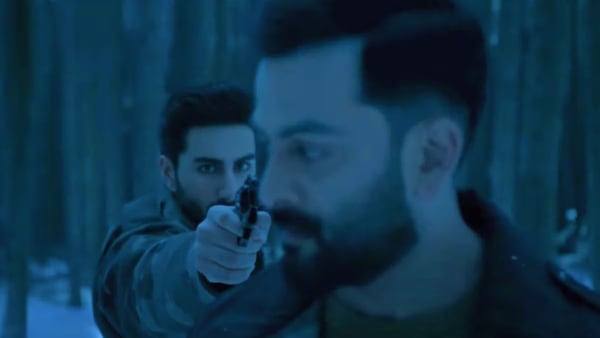
This might be reminiscent of Meghna Gulzar’s spy thriller Raazi (2018) for good reasons but Sarzameen is tame and trite, visibly scared of its own potential. The film refuses to utter the word “Pakistan”, keeps repeating “sarzameen” like a child when they learn of a new word, and restrains so much from making noise (several lines are dubbed over the original) that it ends up with a whimper.
And yet, people talk like they haven’t talked before. For a thriller, characters in Sarzameen are surprisingly loquacious. When a man goes on a covert mission to kill someone, the former sends text messages that say, “I am going to kill him...” with the name, like he wants to be caught. A large chunk of the film comprises the Indian army getting intel from the other side, and yet, apart from expressing cursory interest, no one is interested in knowing. Most of them are also ill-prepared for life. Characters spend minutes posing with guns without firing. If they were prompt, Sarzameen would have ended in 30 minutes, and it wouldn’t have made a difference.

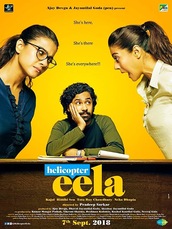


Irani’s filmmaking is worryingly absent, no staging, no build-up, no arc, and much of the film unfolds because the locations were booked. The actors display similar disinterest, and the casting makes little sense. Snow was never Kajol’s best friend (remember Fanaa), but she is particularly unmoving here. So is Khan, who emotes every thought in his head. Post the candy floss Nadaaniyan (2025), this was supposed to be his coming of age, but he remains stubbornly ineffective.
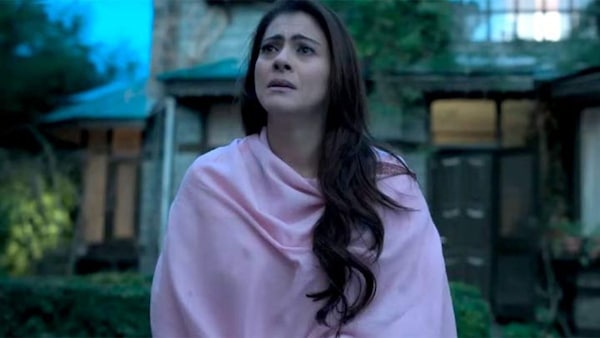
Of the many things wrong with Hindi cinema today, the most troubling bit is how individual styles of storytellers are getting drowned in the expectation of the same story. With Sarzameen, Irani falls into the same trap, evoking the question that if all filmmakers are now working for hire, then who remains to do the job?