


Konkona Sen Sharma's Search: The Naina Murder Case Is As Incurious As They Come
Divided into six episodes, the Rohan Sippy-directed outing makes Konkona Sen Sharma look bad, and any person worth a Letterboxd account would know this is not good news.

Promo poster for Search: The Naina Murder Case.
Last Updated: 12.37 PM, Oct 10, 2025
THERE ARE GOOD SHOWS and bad shows. Then, there are shows like Search: The Naina Murder Case, which resist classification not because they are too nuanced for binaries but because they are too frustrating to arrive at such conclusions. Although divided into six episodes, the Rohan Sippy-directed outing feels endless, and it is the jarring lack of ambition, that leaks into every clog, turning out to be its biggest flaw. If I still haven’t been clear, let me just say this: The Naina Murder Case makes Konkona Sen Sharma look bad, and any person worth a Letterboxd account would know, this is not good news.
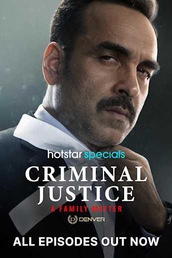
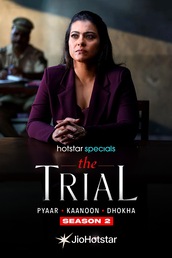
The other bad news is that Search: The Naina Murder Case, like an endless stream of Hindi series lately, is an adaptation. There is a precedent for this, and it has mostly been poor. The Pankaj Tripathi-starrer Criminal Justice is a retelling of the British show of the same name; the Kajol-starrer The Trial has its roots in the American drama; The Good Wife and Sushmita Sen’s Aarya have their roots in the Dutch crime drama Penoza. These are only some examples. Most of these undercut the complexities of the source materials to make them more palatable to the audience back home. By doing so, they streamline possibilities and block their own potential.


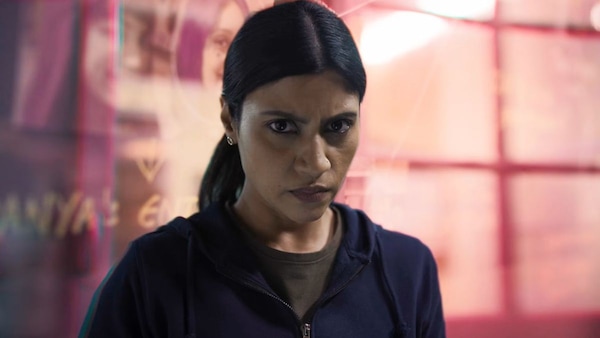
Sippy’s Search: The Naina Murder Case, adapted from the acclaimed Danish procedural drama The Killing (Forbrydelsen; 2007), is the latest instance. The dismal results hurt because Sen Sharma, one of the finest actors of this generation, is given the shortest end of the stick. But in a rare moment of equality, so is everybody.
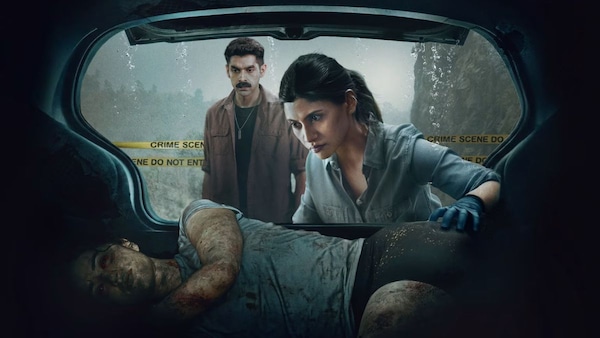
In the Indian adaptation, the Nordic noir procedural drama is set in Navi Mumbai. A young girl is found dead in the back of a car, and this initiates a police investigation led by Sanyukta Das (Sen Sharma). She is supposed to be good at her job (a fact that is reminded of at least 15 times), and her personal life is in shambles. Her husband (Mukul Chadda) lives in Ahmedabad, and it is quickly reported that Sanyukta and her daughter are moving back to mend the marriage. The case arrives as a disruption to her plan. So does Jay Kanwal (Surya Sharma), a snappy young officer who steps into the station as her replacement but quickly reveals himself to be a man not in the habit of listening to others.
Although familiar, there is an interesting arrangement here. A female officer investigating the murder of a young girl while navigating workplace chauvinism and being a mother to a teenage daughter. Written by Shreya Karunakaram and Radhika Anand, Search: The Naina Murder Case, however, carries no speck of intrigue. It is a severely underwritten show where, despite the long-form storytelling format, characters are reduced to cardboard-like fixtures. Each is rendered as a stereotype: there is a performative male politician (Shiv Pandit) in a secret relationship with the person in charge of his campaign (Shraddha Das). There are shady teenage boys and girls, all friends of Naina and each behaving like they have watched too many episodes of CID growing up. There are the grieving parents who are made to behave like pitiful figures. Then there is Sanyukta, written as a lazy prototype of a working woman – misunderstood at home and mistaken at work.
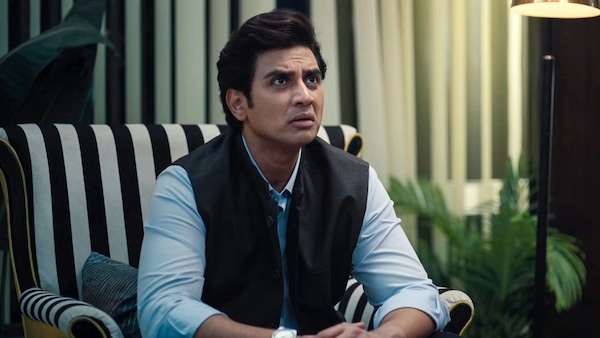
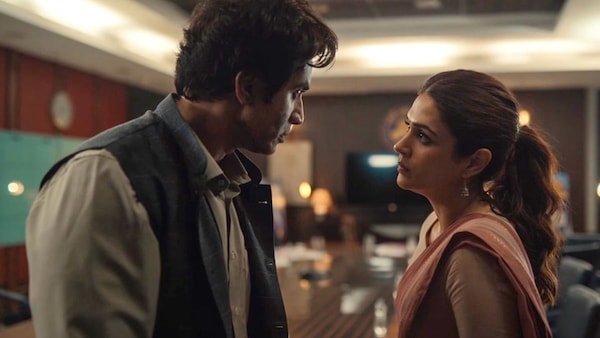
Across the runtime, the show takes narrative leaps that can put an athlete to shame. Either the cops are inundated with clues or they have none. But even when they do, there is little effort to make sense of how they arrived at them. With each episode, the density only increases, and there are scenes which have no follow-up. At some point, Naina’s grief-stricken father (the terrific Sagar Deshmukh) starts plotting his own revenge, but it feels so random, like the makers thought of it as a last-minute inclusion. Ditto for the whole parallel narrative of a political party gearing up for elections and its name getting soiled due to the death.
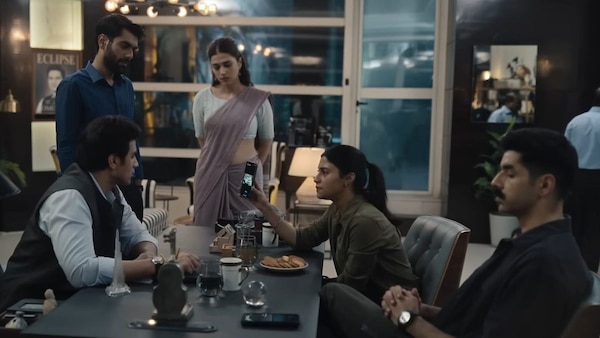
In the hands of a more capable filmmaker, these multiple strands would have added up. But Sippy treats them carelessly, and they keep adding more weight to an already incurious incident. The worst bit, however, is reserved for the ending. I wouldn’t risk revealing it, not because it would count as a spoiler but because the audacity on display is shocking.