


The Roses: Wonderfully Thorny, Deceptively Poignant
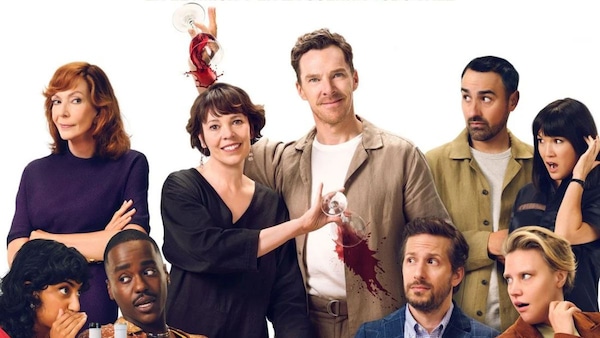
The Roses is a caustic satire about a wealthy couple struggling to stay married. Unlike most couples content to survive, the Roses strive to live — they say what they feel and do what they say.
Last Updated: 03.34 PM, Aug 29, 2025
BASED ON WARREN ADLER'S NOVEL The War of the Roses, Jay Roach’s The Roses is fundamentally different from Danny DeVito’s 1989 film adaptation starring Michael Douglas and Kathleen Turner. The caustic black comedy about a wealthy American couple going through a bitter divorce is reframed as a caustic satire about a wealthy British couple struggling to stay married. The razor-sharp humour is a coping mechanism for the characters, not so much a narrative genre. When they’re mean to each other, it’s amusing because of how creatively they weaponise words, but it’s also dark for how far they’re willing to go to wound each other. When they’re not mean, it’s tense because a barb or two — like a jumpscare in ghost stories — might just be around the corner. Watching them is like being trapped in a room with a dysfunctional couple and second-hand embarrassment.
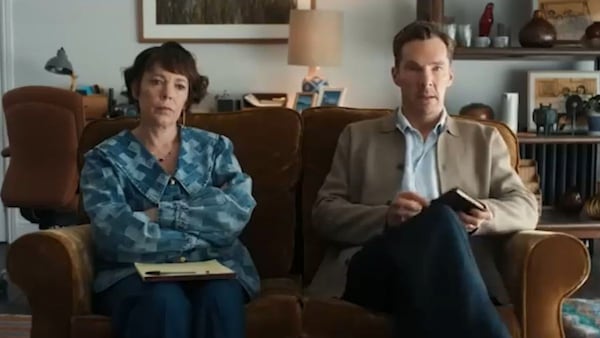
Benedict Cumberbatch and Olivia Colman share generational chemistry as Theo and Ivy Rose, the picture-perfect parents for whom a 7-year itch surfaces when the traditional gender balance is upended by contrasting career trajectories. Theo’s reputation as a star architect is ruined after a maritime museum disaster; he becomes a ‘freelancer’ and stay-at-home dad. Former chef and homemaker Ivy becomes a star restaurateur when her modest seafood shack gets a 5-star review. The roles get reversed, and bit by bit, the resentment builds. The stakes rise. They go from being edgy bohemian soulmates with witty repartee (and a ready injection to let Ivy ‘enjoy’ her berry allergy) to being that poisonous couple with divergent ideas of how to bring up their kids (who transition from mom-inspired slobs to dad-fuelled robots). With the resentment comes the passive aggression and emotional mayhem — which peaks during a celebratory dinner so intense, hysterical and Bear-coded that I found myself covering my eyes in horror and laughing at once. That’s a good thing, I think.
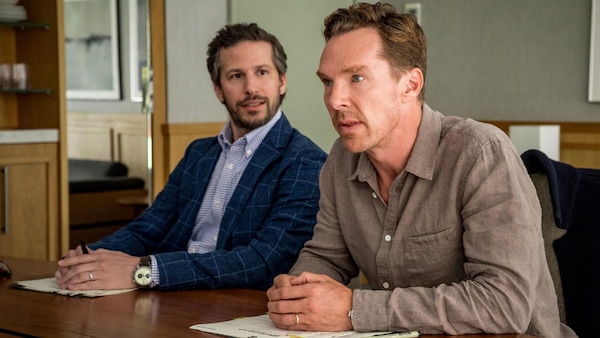

Having gifted comedians like Andy Samberg and Kate McKinnon as the supporting cast spotlights the gravity of the central marriage. Because beneath all the impeccable timing and one-liners is just that: a deceptively funny film about a deceptively serious relationship. You’re reminded of bleak all-timers like Marriage Story, Anatomy of a Fall, Blue Valentine and Fair Play — or even a modernised Julie & Julia if the husband weren’t such a pristine chap (Ivy owning an old stove of Julia Child seals the reference). It’s hard not to detect the depth of why Theo and Ivy go on a warpath. Sure, they’re narcissistic artists who end up fighting for custody of a luxury house — one he built and she paid for — instead of the actual children he built and she produced. But the real reason is almost subversive. They are surrounded by quirky friends who perpetuate how a “happy marriage” is often a dead one. Samberg’s character remains performative and blissfully resigned to his fate as the husband of McKinnon’s adulterous character. Their existence is a swipe at all the movies that romanticise security and mundanity as symptoms of long-term companionship.
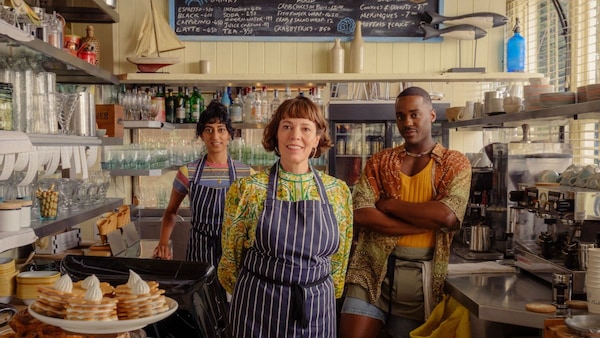
Ironically, Theo and Ivy are the only ones chasing a love story over a culture of co-inhabitance. They create (violent) strife to revive the spark; their cruel spats are designed to sustain feeling and passion in an institution that glorifies compromise. They hate as a way to realise their capacity to love; the roses are nothing without their thorny stems. The relationship runs in reverse: they hook up impulsively, leave behind their English-ness, start a family instantly, fall out and reach the very brink of divorce to actually arrive at the beginning of a romance. Their problem isn’t commitment or loyalty. The marriage remains monogamous to a fault, almost as a reminder that most separations stem from incompatibility and overfamiliarity rather than infidelity and betrayal (like the Smiths discovering they’re rival spies trying to kill each other). The worst conflicts happen when there’s no excuse to have one.
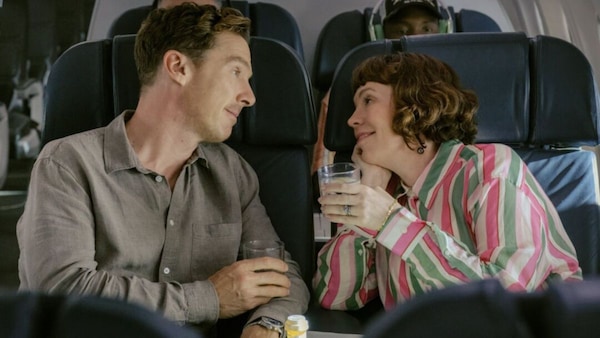
In that sense, theirs is a prolonged courtship on a twisted quest for something more — something that’s not burdened by the permanence of marriage. That the movie dares to close with a punchline speaks to the tragedy of it all. It sort of literalises the happy-marriages-are-dead-ones trope. Most couples are satisfied to survive, but the Roses strive to be alive. Their undoing in a world of pretence and mistruth is that they say what they feel and do what they say. As a result, the film conceals a galaxy of heartache within its perversely enjoyable body. The farcical tone — Adam Sandler-esque and Saturday Night Live-ish in parts — alters the grammar of marital satire: The Roses is a drama punching down, not a comedy punching up. After all, true love is not comfortable; it’s the desire to be uncomfortable with each other.