


Jab Khuli Kitaab ending explained: Do Pankaj Kapur's Gopal and Dimple Kapadia's Anusuya actually get a divorce after 50 years of marriage?
In Jab Khuli Kitaab, an elderly couple faces a divorce trial after a post-coma confession of an affair. Facing Alzheimer’s, they eventually choose 50 years of companionship over their old grudges.
Last Updated: 05.47 PM, Mar 08, 2026
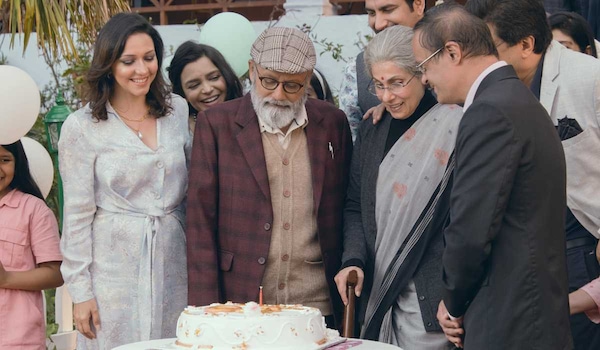
Jab Khuli Kitaab is a film by Saurabh Shukla, adapted from his stage play of the same name, now streaming on ZEE5 (OTTplay Premium). It follows the story of Gopal Chandra Nautiyal, a retired man residing in the picturesque hills of Ranikhet, Uttarakhand, played by Pankaj Kapur. Both Gopal and his wife, Anusuya, played by Dimple Kapadia, have been in a deep coma for two years. The film's first act portrays him as an ideal loving husband. He does things like reading aloud to her, bathing her, and keeping her informed about the everyday happenings at home and the changing seasons in the hills.
What shocking revelation disrupts the family's miracle?
The story takes a sudden turn as their family gathers, bracing themselves to say their last goodbyes as Anasuya's health deteriorates. Rather than dying, she becomes conscious again. But a confession quickly overshadows the wonderful recovery. A truth that Anusuya has kept hidden for almost 50 years is revealed as she awakens from her coma, haunted by Gopal's unwavering care: he is not the biological father of their eldest son, Param (Samir Soni), and she had an affair with a poet during the early years of their marriage.

Instead of being relieved by her recovery, Gopal reacts with deep betrayal. This film examines the "Great Indian Marriage" archetype, where a long-ago transgression becomes the deciding factor after decades of friendship. At the age of 74, Gopal, who has always been haughty and inflexible, decides to get a divorce. As a result, we meet R.K. Negi, played by Aparshakti Khurana, a sincere but clumsy lawyer who specialises in "breaking homes," although he himself has a hard time constructing one.
How does the family manage the clash between celebration and legal conflict?
Domestic drama and situational comedy make up the film's middle act. The children and grandchildren of Anusuya are still rejoicing about her "resurrection," so they try to keep their divorce proceedings a secret from them. In a small-town courtroom, the family's basis is being undermined while the children—Param, Sujata, and the differently abled Dholu—deal with their issues, such as financial difficulty and marriage proposals.
Late in the film, Gopal's health becomes an important plot point. His doctor tells him he has a good chance of getting Alzheimer's during a consultation. The man is now fixated on a recollection from 50 years ago, but he will face a future devoid of memory as a result of this, which provides a poignant irony.
How does the threat of memory loss shift Jab Khuli Kitaab's resolution?
This diagnosis is the spark for the resolution of the film. As a result, Gopal must face the stark contrast between his "marzi" (inclination) and his necessities. Despite being a "big thing" in relationships, the film implies that the history of two people who have lived through 50 years of living together frequently takes precedence over the facts.
Jab Khuli Kitaab ends without the usual high-stakes courtroom confrontation. Rather, it ends with a feeling of peaceful acceptance and rekindled companionship. The legal documentation and initial anger do not help Gopal and Anusuya break the link that binds them.
What is the significance of the title Jab Khuli Kitaab in its final scenes?
The title of the film, Jab Khuli Kitaab (When the Book Opened), provides the "explanation" of the finale. After their history was revealed, they were free of burdens. Even though the confession was painful, it had the desired effect. In the closing scene, we see Gopal and Anusuya strolling across the hills. The divorce is effectively forsaken, not because the wrongdoing has faded from memory, but because it is irrelevant to their approaching golden years.
The character arcs are concluded by a voiceover in the film, which explains that Gopal's wrath was replaced by a realistic realisation: he and Anusuya were totally dependent on each other. Although Param's paternity was shocking, it did not alter the half-century of parenthood that Gopal had already dedicated. The film concludes with the notion that forgiveness is a process that necessitates patience and the gradual erosion of pride.
How does Jab Khuli Kitaab challenge age-related tropes in romance and scandal?
Jab Khuli Kitaab argues that only young people can experience love and emotional turmoil. Two elderly people are at the center of a "scandal" in Saurabh Shukla's play, which explores the masculine ego's fragility and the strength of long-term relationships.
The film raises the question of whether being completely forthright is always the way to go in the burden of truth. Anusuya's confession, made out of shame, put a family that had been harmonious for decades on the brink of collapse.
Why does companionship eventually outweigh moral outrage?
The need for companionship overrides moral outrage as Gopal transitions from seeking a divorce to accepting Anusuya. This is especially true for the elderly, when the want for a "witness" to one's life can become overwhelming.
The coma is considered a symbol of the marital secrets that are kept hidden. Similarly to Anusuya emerging from her physical coma, the marriage "woke up" from its slumber and was compelled to confront its truth.

What is Jab Khuli Kitaab's final message regarding the tenacity of love?
Jab Khuli Kitaab is, ultimately, a realistic look at the tenacity of love. It implies that the key to a "happily ever after" isn't a life free of strife, but rather the capacity to persevere through difficult times as a team. The movie has a bittersweet ending because it acknowledges that we can't undo the past, but we can share the future, however brief it may be. As a bizarre form of compassion, Gopal's possible amnesia lets the pair live in the now, where nothing else matters except their present togetherness.
Jab Khuli Kitaab FAQs:
Q: Is Jab Khuli Kitaab based on a true story?
A: While the emotions and family dynamics are grounded in reality, Jab Khuli Kitaab is actually based on a popular stage play of the same name written by the film's director, Saurabh Shukla.
Q: Who is in the cast of Jab Khuli Kitaab?
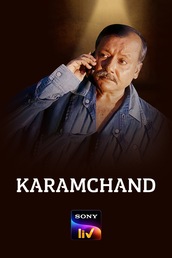
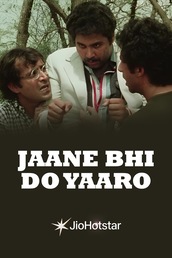
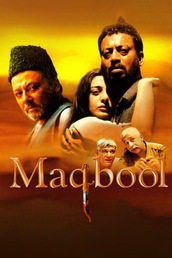
A: Jab Khuli Kitaab features a powerhouse ensemble including Pankaj Kapur as Gopal Chandra Nautiyal, Dimple Kapadia as Anusuya, Aparshakti Khurana as the lawyer, R.K. Negi, and Samir Soni as the eldest son, Param.
Q: Where can I watch Jab Khuli Kitaab?
A: Jab Khuli Kitaab was produced for a digital premiere and is available to stream on ZEE5 (OTTplay Premium).