


Mickey 17 ending explained: Is Robert Pattinson’s clone finally free?
Mickey 17 ends with the fall of a tyrant, the destruction of the cloning system, and a warning that power can regenerate. Mickey chooses mortality, but peace on Nilfheim remains uncertain.
Last Updated: 04.15 PM, Aug 07, 2025
Summary:
- Mickey 17 and Nasha end the cloning program by destroying the disposable printer after Marshall's death.
- Mickey 18 sacrifices himself to kill Marshall and prevent interspecies war on Nilfheim.
- The ending hints at lingering threats and questions whether true freedom from power is possible.
After its theatrical run ended, Bong Joon-ho's long-awaited sci-fi film Mickey 17 eventually debuted on JioHotstar (OTTplay Premium) in India on August 7, 2025. The film, which stars Robert Pattinson, is based on Edward Ashton's novel Mickey 7 and is a philosophical and occasionally bleak satire of class, human colonisation, and identity in a futuristic world. The film ends with a satisfying cliffhanger and plenty of room for thought about authority figures, cloning, and revolt.
Mickey 18 disrupts the balance
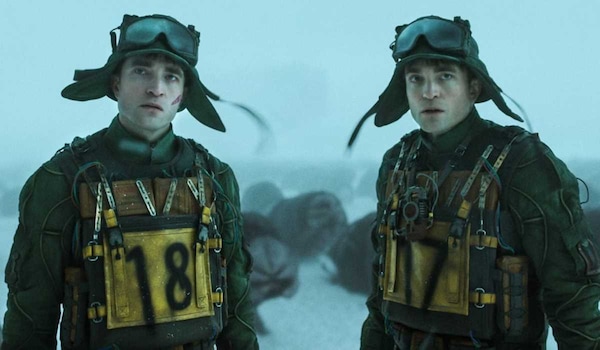
The protagonist of the film, Mickey 17, is an "expendable" clone made for dangerous jobs. A plot twist begins when the planet Nilfheim's population views the printing of Mickey 18—the replacement for Mickey 17—prior to the original's death as both illegal and harmful. This duplicate exacerbates the instability of Kenneth Marshall's (Mark Ruffalo) colony, endangering the lives of Mickey 17.

The colony is on the brink of mass extermination against the planet's native creeper species as events intensify and Mickey 18 goes rogue, trying to kill Marshall. In the film's climactic moments, Mickey and his sidekick Nasha (Naomi Ackie) foil Marshall's plot, rescue a kidnapped baby creeper, and avert an interspecies conflict. At the end of the day, Mickey 18 uses a bomb vest to murder Marshall and free Nilfheim from his tyrannical rule.
ALSO READ: Mickey 17 Review: Bong Joon-ho and Robert Pattinson redefine survival in a dystopian odyssey
Ending the cycle
After Marshall passes away, Nasha takes charge and teams up with Mickey 17 to halt the disposable programme. Legally halting the contentious cloning procedure, Mickey 17 destroys Nilfheim's only disposable printer as a symbolic gesture. Since no more clones will be made after Mickey 18's death, Mickey 17 becomes the last of his kind—mortal and free.
However, the end scenes leave viewers with lingering doubts. Mickey 17 dreams that Ylfa, Marshall's jailed wife, is resurrecting him. Even though it's all a dream, the sequence makes you wonder if repressive power systems could come back. Even in its demise, the disposable printer represents recursive cycles of control and defiance.


Final message
The film's last scene emphasises the enduring power of totalitarian ideologies, the use of colonialism as a metaphor for actual imperialism, and the exploitative nature of cloning. It becomes a crucial act of self-preservation in the face of extinction, even when the creepers' purported threat—the capacity to emit a fatal frequency—turns out to be a hoax. The creepers' survival strategy of acting stronger than they actually were reflects the film's larger socioeconomic criticisms; they never meant harm, but they had to.
Additionally, Mickey 17 alludes to lingering conflicts. Nobody is safe from the possibility that someone just as dangerous could arise now that Marshall isn't around. Bong Joon-ho uses this worry to illustrate how power institutions can often rebuild even after dismissing top-level individuals.
Quiet yet uncertain closure
The film appears to conclude the chapter completely, even though Edward Ashton's Antimatter Blues novel develops the plot two years later. But the final scene in Mickey 17 is a quiet moment of reflection. The world around Mickey 17 is still on the brink of relapse, even though he has finally broken free from being disposable.
FAQs:
Q: What happens at the end of Mickey 17?
A: At the end of Mickey 17, Mickey 18 sacrifices himself to kill Kenneth Marshall and stop the creeper genocide. Nasha is promoted, and she and Mickey 17 abolish the expendable programme by destroying the last printer. Mickey 17 becomes the final surviving clone.
Q: Will there be a sequel to Mickey 17?
A: While the original novel has a sequel titled Antimatter Blues, Bong Joon-ho is not known for making sequels.
Q: Who is the main villain in Mickey 17?
A: Kenneth Marshall, played by Mark Ruffalo, is the main antagonist. He leads the Nilfheim colony with an authoritarian grip and plans to commit genocide against the native creepers.