


Whatever Happened To Telugu Cinema’s ‘Feel-Good Romance’ Genre?
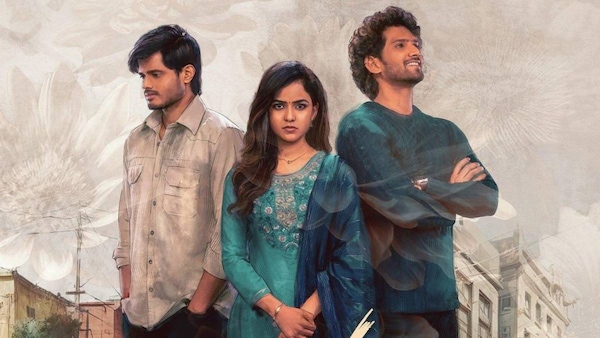
Take a look at some of the love stories that were the biggest hits in recent times, and you are left with portrayals of romance in extreme forms — shaped by anger, frustration or suspicion.
Last Updated: 01.15 PM, May 10, 2024
This column was originally published as part of our newsletter The Daily Show on February 22, 2024. Subscribe here. (We're awesome about not spamming your inbox!)
***
WHEN was the last time you saw a character in a Telugu film confess their love for another character on screen, and the moment swept you off your feet? Take a look at some of the biggest romantic hits in recent years, and you are left with portrayals of romance in its most extreme forms — shaped by anger, frustration or suspicion, among other emotions. This predicament isn’t restricted to Telugu cinema alone. Numerous films from other languages too have veered away from the good old ‘feel good romance’ subgenre.
If films are a reflection of a time period and the societal norms of that era, the status quo of romance presents a fascinating case study. The portrayal of romance has evolved considerably over the decades, right from the days of Devadasu to the recent blockbuster Baby. The conflicts that were once at the core of romantic films — like religion, caste, regional, and class differences — have given way to something more personal, like the faithfulness and trust between the partners. It’s a reflection of how the characters themselves have gotten more and more individualistic with time, and societal views occupy the sidelines. It’s no more about how to fall in love; rather, the focus is on how to be in love despite the odds.
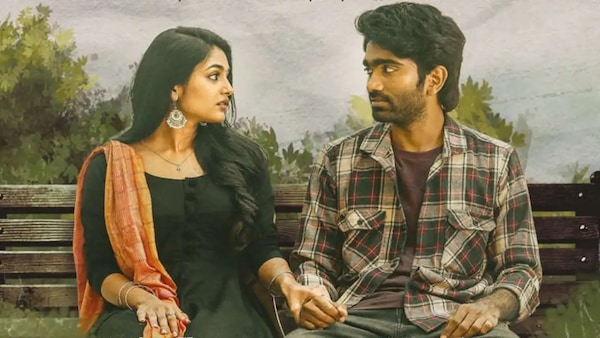
Take for example Love Today, directed by Pradeep Ranganathan, which went on to become one of the biggest hits of 2022. The film serves as a great template for romantic comedies of the modern era, where adults figure out how being in love is more challenging than it seems. The story revolves around a simple test: how much do the two characters, Pradeep and Nikitha, know about each other? The method used to explore this is a phone swap and it’s just a matter of time before all their secrets tumble out. Another acclaimed Tamil film, Lover, starring K Manikandan and Sri Gouri Priya, explored how insecurity and possessiveness break apart a steady relationship. Sai Rajesh’s Baby too delved into how a young woman who grew up in a slum, finds herself drifting away from her former lover when she meets a rich young man in college. Films like these have questioned the very notion of love and what it takes to be in a relationship.

Amidst these changes, the concept of a ‘feel good’ romance has been codified as comfort viewing, better suited for streaming on OTTs. If a film, no matter what the genre is, doesn’t shock or hook you, it’s barely finding takers in cinema halls these days. This is particularly true in this post-COVID-19 era where film viewing trends have changed enormously. In Hindi, Ranveer Singh and Alia Bhatt-starrer Rocky Aur Rani Ki Prem Kahaani, Karthik Aryan and Kiara Advani-starrer Satyaprem Ki Katha and Ranbir Kapoor’s Tu Jhoothi Main Makkar were among the few hits from this genre in 2023. Down South, one of the biggest success stories was Rakshit Shetty and Rukmini Vasanth starrer Sapta Sagaradaache Ello — Side A/Side B, and Sai Rajesh’s Baby. However, such success stories have become few and far between.
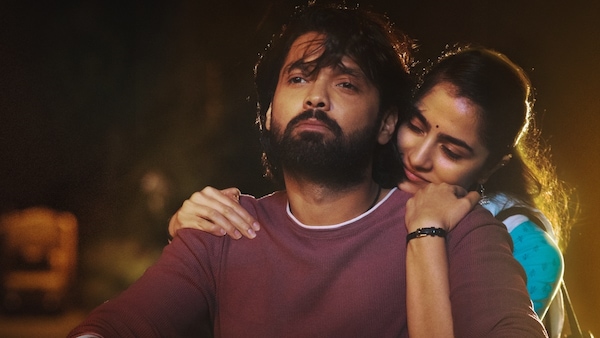
It’s little wonder that films across different genres have become bigger than ever before, and filmmakers are exploring different worlds where the stakes are much higher for the protagonist. And when it comes to romantic films, the stories have become bolder and more provocative.
Today, streaming platforms have jumped in to fill the void in the feel-good romance genre. Amazon Prime’s Modern Love anthology has spawned three versions across Mumbai, Chennai, and Hyderabad; web series like Mismatched, Little Things and Permanent Roommates became huge hits. Perhaps, the best example of OTTs betting big on romantic shows and films is the remarkable growth of Korean romantic shows and movies in India in recent years. Some of the shows have become so popular that several streaming sites are now offering dubbed versions in various Indian languages.
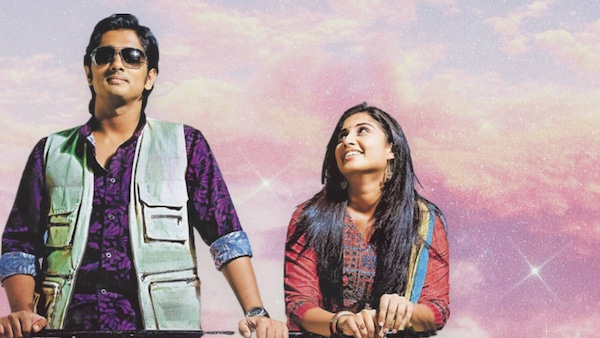
Incidentally, Telugu romantic films that were released more than a decade ago have found new audiences. In mid-February, Siddharth and Shamini starrer Oy! (2009) was released across select screens in Telangana and Andhra Pradesh, and it turned out to be a huge money-spinner for the distributor. Prior to that, films like Ye Maya Chesave, Kushi, Varsham too had a re-release in the past few months and audiences thronged to the cinema halls.
Call it nostalgia or a sign that feel-good romantic films have become scarce, there’s no denying that we are in an era where love itself has been commodified on social media, particularly Instagram, and it is being served to us one reel at a time.