


Highest test scores in each batting position
Do you know Don Bradman has the highest test score by a No.7 batsman? Know more surprising stats in our special article, where we present you with the highest test scores in each batting position.
Last Updated: 02.37 PM, Jul 18, 2025
Test cricket has produced some remarkable innings from its inception. Though the style of play has changed after the introduction of T20 cricket, the hunger for big runs continued.
In this article, we will make it interesting by providing you with the highest test scores in each batting position. That means from the openers to the No. 11 batter, you will know who has scored the highest test runs in each position.
So, let's get started.
Openers | Matthew Hayden and Leonard Hutton - 380 & 364
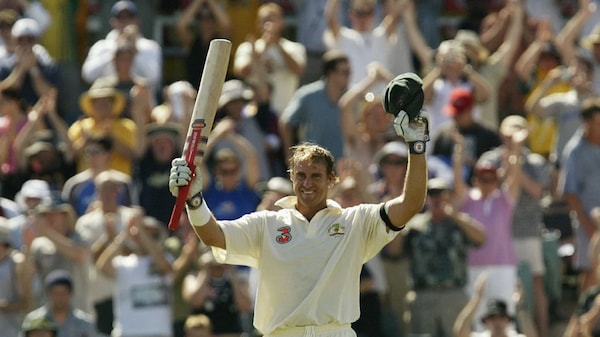
Matthew Hayden's 380 and Leonard Hutton's 364 are the highest test scores by openers in test cricket. Although there is a gap of 65 years between the scores, the impact remained the same.
In 1938, English legend Leonard Hutton, who scored 6971 in just 79 test matches, scored the then-highest test score of 364 against Australia at the Oval.
His highest test score in the opening slot was broken by an Australian great, Matthew Hayden. Hayden, at a strike rate of 86.95, scored 380 against Zimbabwe in Perth and set up the then-test highest score.
Imagine if we could have an opening pair of Hutton and Hayden. How lethal that would have been!
No.3 | Brian Lara - 400*
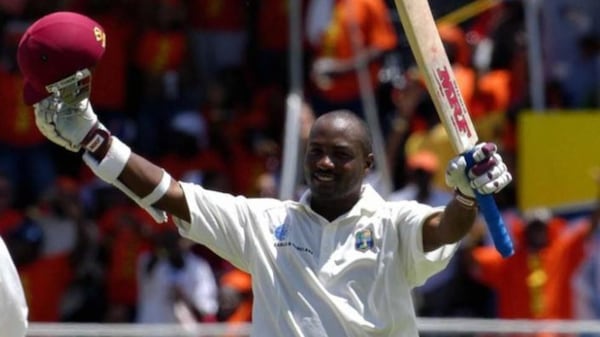
In 2004, the West Indian legend Brian Lara broke nearly every record of test cricket during his mammoth innings of 400 against England.
Playing at his favourite in Antigua, the former West Indies captain went past his own best to break Matthew Hayden's record for the highest test score in history.
Lara played 582 balls to create the record, which is yet to be broken by anyone for 21 years and counting.
Recently, South African batter Wiaaden Mulder had the chance of beating Lara's record when he decided to declare while batting on 367 against Zimbabwe.
No.4 | Mahela Jayawardene - 374
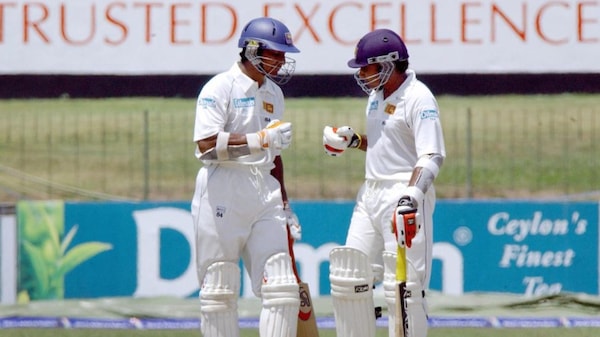
Former Sri Lanka captain Mahela Jayawardene played a mammoth innings of 374 against South Africa in Colombo in 2006.
Batting at No.4, Jayawardene just kept on batting along with his partner Kumar Sangakkara, who also scored 287 in that inning. With the help of their 624-run partnership, Sri Lanka put up 756/5 in the first inning and won the match by an innings and 153 runs.
No.5 | Michael Clarke - 329*
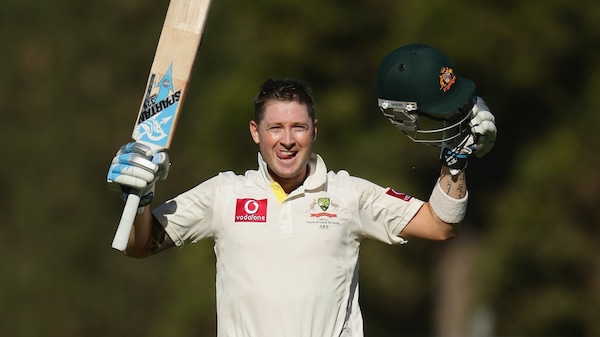
Michael Clarke scored the highest test score at No.5 when he humiliated the Indian bowling line-up in 2012 in Sydney.
When Clarke, the then-Australian captain to bat, Australia were under pressure at 37/3. But Clarke managed to manage the initial storm and then played 468 balls to score an unbeaten 329.
Australia declared on 659/4 and won by an innings and 68 runs.
No. 6 | Ben Stokes - 258
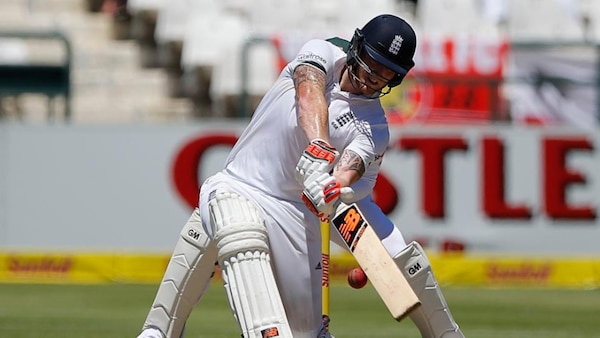
Current England test captain Ben Stokes in 2016 scored 258 in just 198 balls against South Africa on a flat pitch in Cape Town to register the highest test score by any batter at No.6.
During this inning, Stokes nearly broke Nathan Astle's record for the fastest test double century. Stokes reached the landmark in 153 balls, missing the record by just 10 balls.
No. 7 | Don Bradman - 270
Now, this might come as a surprise to you. Sir Don Bradman at No.7?
Yes, the greatest batter in cricket history, Don Bradman, batted at No.7.
During the 1937 Ashes Series, in Melbourne, the Aussie captain reversed the batting lineup as the pitch got wet due to rain.
He not only took advantage of a batter pitch later on, but he went on to score 270 from 375 balls to help Australia win the match by 365 runs.
No.8 | Wasim Akram - 257
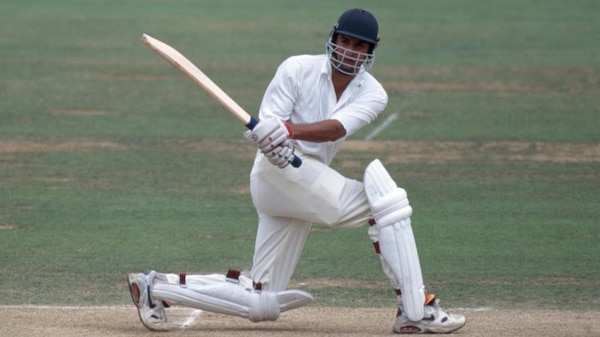
Okay, this again can come as a surprise to you. Not the name but the score. Legendary Pakistani fast bowler Wasim Akram was a handy batter down the order.
In 1996, against Zimbabwe, in Sheikhupura, Wasim batted like a proper batter to score his maiden and only test double ton. He finished the inning with 257 from 363 balls, which included 12 sixes as well.
Interestingly, only Wasim had scored a ton for Pakistan in that match.
No.9 | Ian Smith - 112
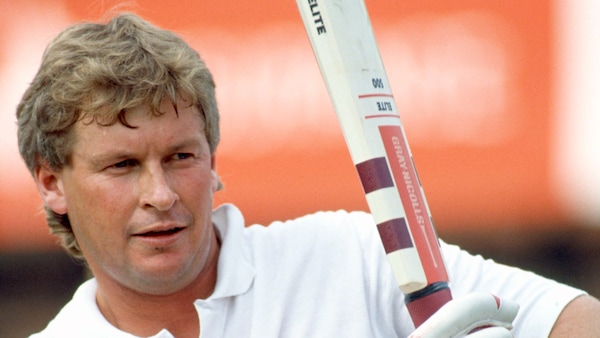
Former Kiwi wicket-keeper batter Ian Smith scored the highest test score at No.9 when he scored 173 against India in Auckland in 1990.
Smith batted at a 127.20 strike rate and took only 136 balls to score those runs, which came as a surprise to the Indian bowlers.
No. 10 | Walter Read - 117
For this, we will have to go back to the early days of test cricket in 1884.
Read, who was considered one of the greatest batters of his time, scored 117 off just 155 balls against Australia at the Oval.
It was for his century that England were able to draw the test match despite being asked for a follow-on.
No. 11 | Aston Agar - 98 runs
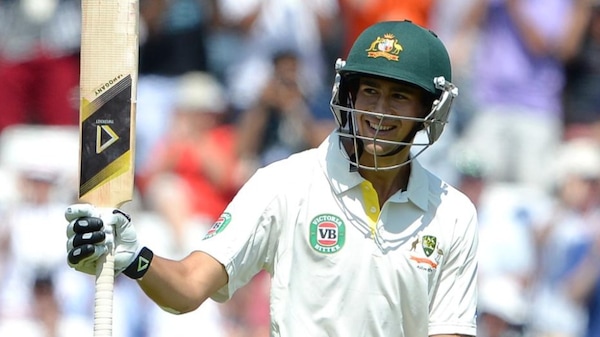
Aussie left-arm spinner Aston Agar nearly pulled off a miraculous record when he fell short by two runs of becoming the first batter to score a test ton batting at No.11.
More interestingly, that was his debut match as well.
In 2013, against England, in Nottingham, Agar came to the crease with Australia being 117/9. From then on, he made a partnership with Phil Hughes to take the score to 280.
Agar's 98-run inning had 12 fours and 2 sixes.