


T20 World Cup 2026: Bizarre schedule shows 4 teams will not get a single game to prepare for the World Cup
Ahead of the 2026 ICC Men’s T20 World Cup, many major teams, including Afghanistan and Australia, have minimal T20I preparation, raising concerns about match readiness.

Last Updated: 06.47 PM, Dec 10, 2025
The 2026 ICC Men’s T20 World Cup in India and Sri Lanka will begin on 7 February and run until 8 March, featuring 20 teams and a packed schedule across major venues in both countries. India will open their campaign against the USA in Mumbai on 7 February, with marquee clashes like India vs Pakistan set for 15 February in Colombo and knockout matches scheduled for early March. Despite the magnitude of the tournament and the condensed window, a striking feature of the build-up is how few T20 internationals most major teams will play in the weeks leading into the event.
4 teams will not play any T20I games leading to the T20 World Cup
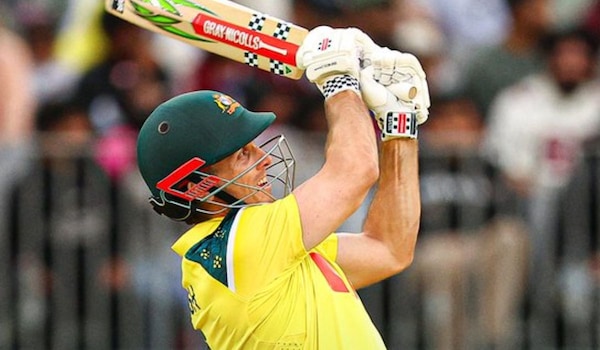
For several Full Member nations, preparation in the format will be minimal to non-existent. Afghanistan, Australia, Bangladesh, Ireland, and Zimbabwe are not scheduled to play any T20Is at all before the World Cup, meaning they will arrive in India and Sri Lanka without recent international match practice in the shortest format.
That lack of competitive cricket raises obvious questions about rhythm, role clarity, and team combinations, especially for sides that rely heavily on momentum and confidence in T20s.
Among the traditional powerhouses, only a handful have structured T20I build‑ups. England will play three away T20Is against Sri Lanka in January–February 2026, giving them a brief but focused tune‑up in Asian conditions.
Pakistan have a three‑match T20I series away to Sri Lanka in January 2026 as their sole preparation, a short window to test line‑ups, nail death‑overs plans and fine‑tune batting orders ahead of a World Cup where expectations will again be sky‑high.
New Zealand’s only T20I cricket before the tournament is a five‑match away series in India in January 2026, which at least offers valuable acclimatisation to subcontinental pitches.
India to play 10 T20I matches
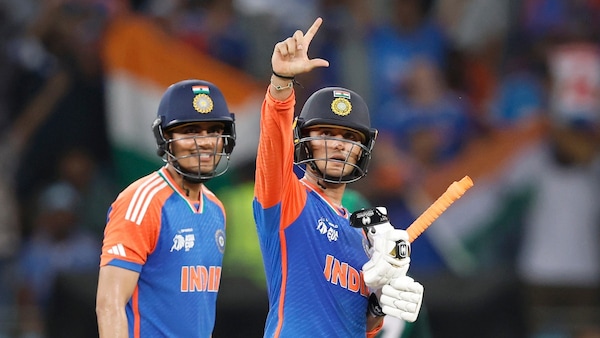
Hosts India have one of the busiest lead‑ups, but even their schedule is relatively light for a home World Cup.
They are playing five T20Is against South Africa at home currently, followed by five more at home against New Zealand in January 2026.
Ten T20Is is a decent block of cricket, yet it still represents just a short, intense burst before a global event that spans a month and involves constant travel and pressure.
South Africa, too, have a limited but meaningful run‑in. They are playing five away T20Is in December 2025, then host three T20Is against West Indies in January–February 2026.
Eight games offer them more preparation than most, especially across varying conditions, but this remains a compressed schedule.
West Indies themselves will only play those three T20Is in South Africa before heading into a World Cup that includes key fixtures such as their opener against Bangladesh in Kolkata on 7 February and a high‑profile clash with England in Mumbai on 11 February.
Six matches for Sri Lanka
Sri Lanka, co‑hosts of the tournament with matches in Colombo and Kandy, have a slightly denser T20I slate than some rivals but still fewer games than might be expected for a home World Cup.
They will host three T20Is against Pakistan in January 2026, then three more against England across January–February 2026. Six home T20Is provide valuable match time at likely World Cup venues, yet the short turnaround between those series and their first World Cup outing against Ireland in Colombo on 8 February gives them little breathing room to reset and recover.
In total, only four teams—India (10 matches), South Africa (8), New Zealand (5), and Sri Lanka (6)—have anything resembling a structured pre‑World Cup T20I calendar, while everyone else will either play three or fewer games, or none at all.
Overloaded global calendar, overlapping domestic T20 leagues, bilateral commitments in other formats, and the logistical demands of a 20‑team tournament shared between two countries are the reasons behind the scarcity of matches for the smaller teams.