


Top 10 best all-rounders in Asia Cup history (Updated as of 2025)
Read the article to know more about the top 10 best all-rounders in Asia Cup history.
Last Updated: 02.53 AM, Aug 30, 2025
The Asia Cup has always been more than just a tournament; it’s a celebration of cricketing rivalries across the subcontinent. Over the decades, the competition has produced countless memorable moments where individual brilliance tilted the balance of games. Among those, all-rounders have stood out as the true game-changers, players who could alter the course of a match with both bat and ball.
From hard-hitting finishers to crafty spinners and versatile seamers, the Asia Cup has showcased some of the greatest all-round talents the sport has ever seen. Their dual abilities not only gave depth to their sides but also provided captains with the luxury of flexibility. Here’s a look at the top 10 best all-rounders in Asia Cup history who left a lasting legacy.
Top 10 best all-rounders in Asia Cup
10. Rashid Khan (Afghanistan)

Rashid Khan might be more famous as a bowler, but his batting exploits also make him a strong all-rounder. His performances in the 2018 Asia Cup helped Afghanistan punch above their weight.
With his lethal leg-spin, Rashid dismantled world-class batters, while his late-order hitting provided Afghanistan with quick runs. His rise to the No. 1 ICC all-rounder ranking soon after was no coincidence, it was proof of his growing stature.
9. Hardik Pandya (India)
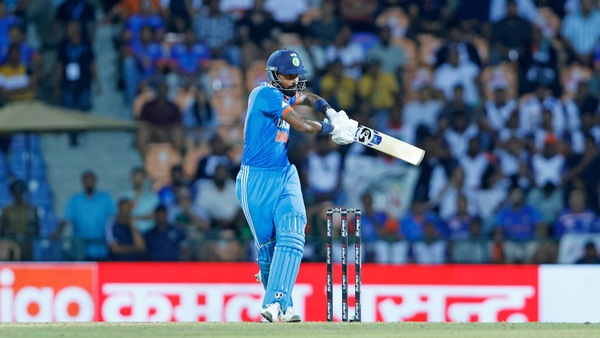
Hardik Pandya’s rise as a pace-bowling all-rounder has been crucial for India’s recent Asia Cup campaigns. With over 280 runs and 10 wickets in ODIs, he brings the much-needed balance to the team.
Known for his finishing skills, Pandya can change matches in a matter of overs. With the ball, his ability to bowl quick bouncers and strike in middle overs has given India an edge. He represents the modern-day all-rounder who thrives under pressure.
8. Ravindra Jadeja (India)
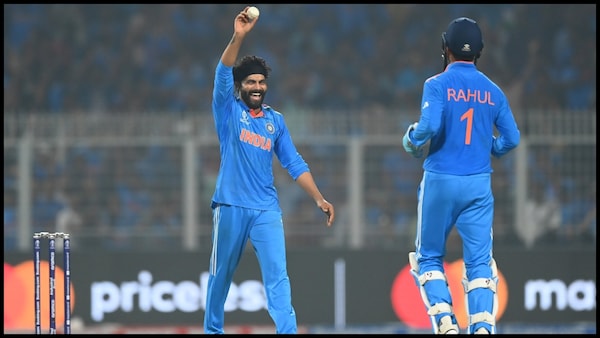
Ravindra Jadeja’s consistency makes him one of India’s greatest assets in the Asia Cup. With 19 wickets in 14 games and handy contributions with the bat, he has been pivotal in India’s success in the tournament.
His accuracy with left-arm spin often choked opposition batters, while his lower-order batting gave India quick runs. Add to that his fielding brilliance, and Jadeja becomes a complete three-dimensional cricketer in the Asia Cup arena.
7. Mohammad Nabi (Afghanistan)
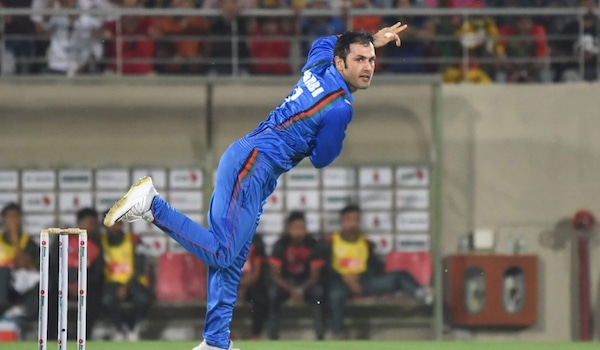
As Afghanistan made their mark in Asia Cup cricket, Mohammad Nabi became the heartbeat of their team. Scoring nearly 200 runs and picking nine wickets in limited appearances, he showcased both reliability and experience.
Nabi’s leadership, along with his ability to steady the middle order and deliver economical spells, helped Afghanistan compete against giants like India and Pakistan. His performances proved that Afghanistan were no pushovers on the continental stage.
6. Irfan Pathan (India)

India’s swing king, Irfan Pathan, had a short but highly impactful Asia Cup career. With 22 wickets in just 12 matches, he consistently troubled batters with his ability to move the ball both ways. His bowling was especially dangerous under lights.
With the bat, Pathan could play the role of a finisher, adding depth to India’s batting lineup. His match-winning performances in pressure situations showcased why he was considered one of the finest seam-bowling all-rounders of his era.
5. Shoaib Malik (Pakistan)
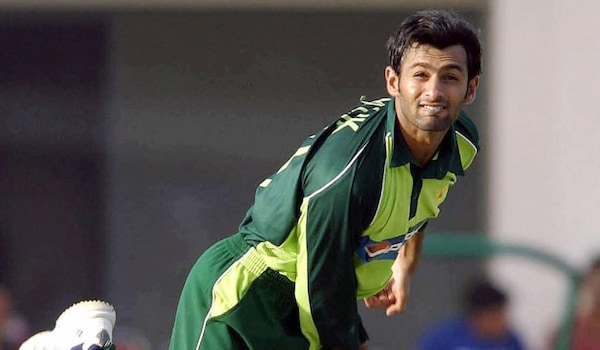
Shoaib Malik’s versatility is what sets him apart. With 786 runs and 12 wickets in 17 matches, he was Pakistan’s go-to man in high-pressure games. His calm temperament and ability to handle spin made him a dependable middle-order batter.
As a bowler, Malik’s off-spin often provided crucial breakthroughs, especially against left-handers. His performances in Asia Cup finals have been instrumental, making him one of Pakistan’s most valuable multi-dimensional cricketers.
4. Shahid Afridi (Pakistan)
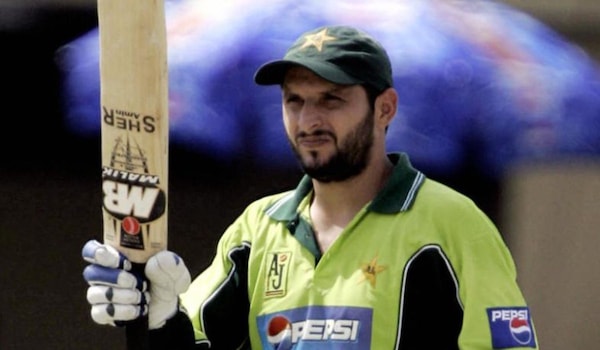
Few players in world cricket have brought the kind of entertainment that Shahid Afridi did. Known as “Boom Boom” for his explosive batting, Afridi scored 532 runs at a strike rate above 140 and picked 14 wickets in Asia Cup matches.
His impact often came in quick bursts, whether a blistering 30-ball fifty or a spell that dismantled batting orders. Afridi’s fearless approach made him a fan favorite and an unpredictable match-winner for Pakistan.
3. Shakib Al Hasan (Bangladesh)

Bangladesh’s greatest cricketing export, Shakib Al Hasan, has been their trump card in every Asia Cup he has played. With 402 runs and 19 wickets in just 13 matches, his numbers highlight the perfect balance he brings as a genuine all-rounder.
Shakib’s ability to adapt to situations makes him lethal—he can anchor innings, accelerate when needed, and then strangle oppositions with his left-arm spin. His Man of the Tournament award in 2012 remains a testament to his dominance in continental cricket.
2. Sachin Tendulkar (India)
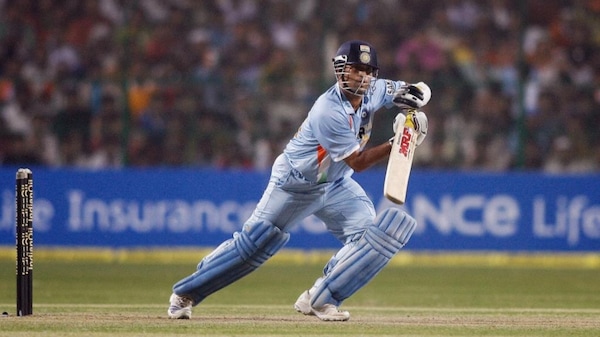
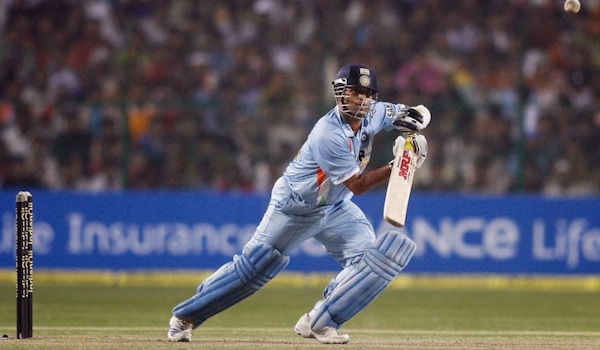
Though remembered as a batting maestro, Sachin’s role as a part-time bowler was equally valuable in Asia Cups. With 971 runs and 17 wickets, he contributed in both departments, making him one of the rare batting all-rounders in the tournament’s history.
His ability to break stubborn partnerships with his off-spin often provided India with a much-needed advantage. Combined with his match-winning knocks against top sides, Tendulkar’s all-round show ensured that he remained a central figure for India throughout Asia Cup campaigns.
1. Sanath Jayasuriya (Sri Lanka)
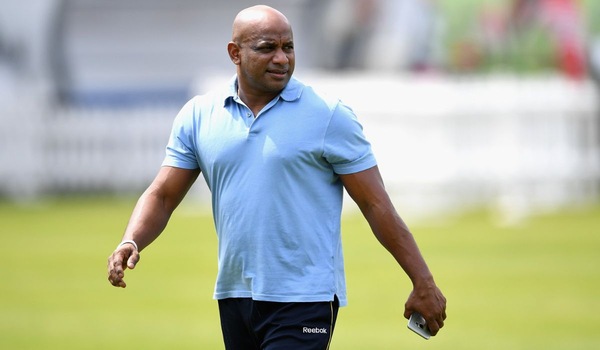
Jayasuriya is often hailed as the most impactful all-rounder in Asia Cup history. With 1,220 runs and 22 wickets, he dominated across multiple editions. His explosive batting at the top gave Sri Lanka flying starts, while his left-arm spin provided crucial breakthroughs.
What makes him special is his ability to deliver in crunch games. Whether it was decimating opposition bowlers with fearless strokeplay or breaking partnerships with his clever bowling, Jayasuriya carried Sri Lanka on his shoulders. His longevity and consistency make him a standout performer.