


Top 5 most runs in Asia Cup history (men's ODI + T20Is)
Here are the top 5 players with the most runs in Asia Cup history, including men's T20Is and ODI formats. Sanath Jayasuriya with 1220 runs leads the chart.
Last Updated: 01.33 AM, Aug 28, 2025
The Asia Cup stands as the only premier cricket tournament among Asian nations, which began as an ODI tournament but evolved into a T20I tournament in recent years. Over the years, several batting legends have etched their names in the tournament's rich history. Below is a detailed look at the top five batters with most runs in Asia Cup history.
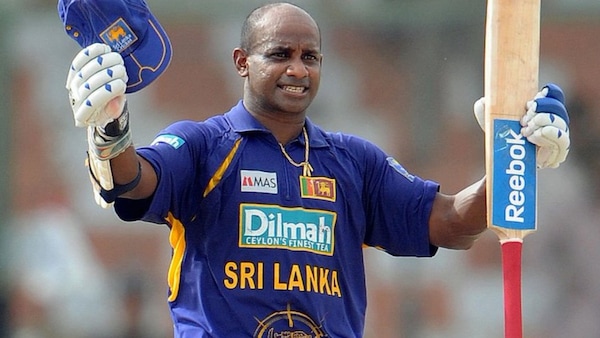
1. Sanath Jayasuriya (Sri Lanka)
Sanath Jayasuriya was a revolutionary figure in limited-overs cricket. Known as the “Master Blaster” of Sri Lanka, he redefined the role of an opening batsman with his explosive strokeplay against some of the best bowling attacks in Asia.
His aggressive style put Sri Lanka on the map in the 1990s and 2000s, often giving them blazing starts that set the tone for the innings.
Jayasuriya's six centuries in the Asia Cup, the highest number by any player. Beyond his aggression, Jayasuriya had the temperament to convert starts into big scores, frequently steering Sri Lanka through tough run chases or setting imposing totals.
His highest score of 130 and an impressive strike rate of over 100 in the Asia Cup cricket make him a true legend of this tournament.
Sanath finished with 1220 runs in the Asia Cup, a record that might not get broken ever.
2. Rohit Sharma (India)
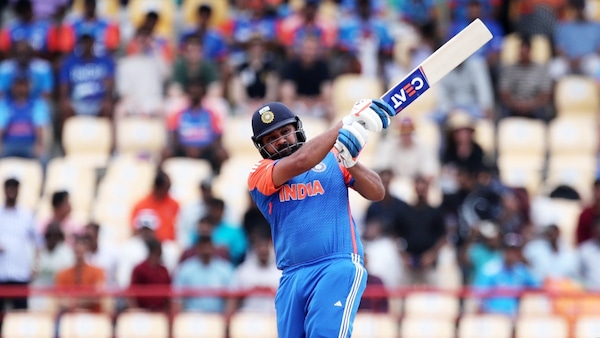
Rohit Sharma has been a cornerstone for India's batting across various formats, and his Asia Cup record reflects how much of a great player he has been in the white-ball format.
Known for his elegant timing and ability to play long innings, Rohit has provided India with stability, often batting through the innings and scoring under pressure.
While he has only one century in the Asia Cup, his tally of eleven fifties shows his knack for contributing crucial innings frequently.
Rohit is one of the very few players who have played both in the ODI and T20I format, where he scored 1171 runs at an average of 41.72.
3. Virat Kohli (India)

Virat Kohli stands out in the Asia Cup not just for the runs he has scored but also for the manner in which he has done so.
With a phenomenal average close to 69, Kohli showcased his hunger for consistency and greatness.
Often regarded as one of the best chasers in limited-overs cricket, he has played several memorable innings where he took India over the line in high-pressure run chases. His highest score of 183 is one of the most commanding performances in Asia Cup history.
Kohli scored five centuries across just 26 matches, highlighting his ability to convert starts to big scores.
Furthermore, his strike rate of 109.54 reflects his aggressiveness as well.
4. Kumar Sangakkara (Sri Lanka)
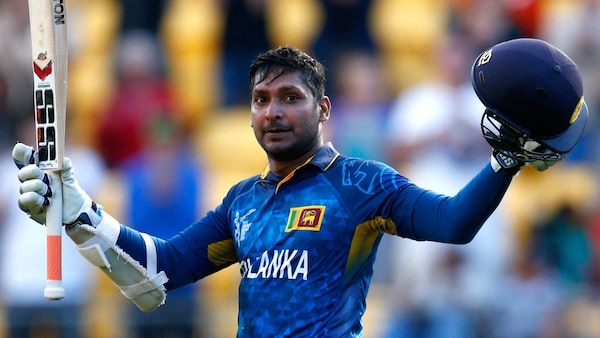
Kumar Sangakkara is regarded as one of cricket’s most elegant and prolific batsmen.
His classical technique, combined with sharp cricketing acumen, made him a difficult player to bowl to. Sangakkara’s ability to adapt to different conditions and formats allowed him to maintain a near 49 average in the tournament, illustrating remarkable consistency.
Sanga’s four centuries and eight fifties came at crucial moments when Sri Lanka needed stability or momentum.
5. Sachin Tendulkar (India)
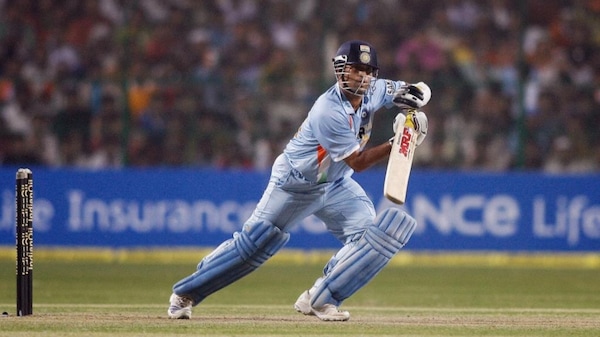
Known as the “God of Cricket,” Sachin Tendulkar’s journey in the Asia Cup spanned over two decades, starting from 1990.
Tendulkar’s impeccable technique and unyielding concentration helped India on many occasions to post or chase competitive totals. His highest score of 114 and a batting average over 51 prove his dominance even in the early days of the tournament against some of Asia’s fiercest bowling attacks.
Tendulkar may have had just two centuries in the Asia Cup, but his seven fifties were often instrumental in setting up victories or stabilizing innings after early setbacks.
Tendulkar scored 971 runs in the Asia Cup, with an average of 51.10 against bowlers like Wasim Akram, Waqar Younis, Muralitharan, Chaminda Vass, and others.