


Stories That Endured, Defining Malayalam Cinema In 2025
From intimate family dramas and reimagined folklore to sports films that rejected macho triumphalism, the year’s finest works chose emotional truth over noise and complexity over easy catharsis.
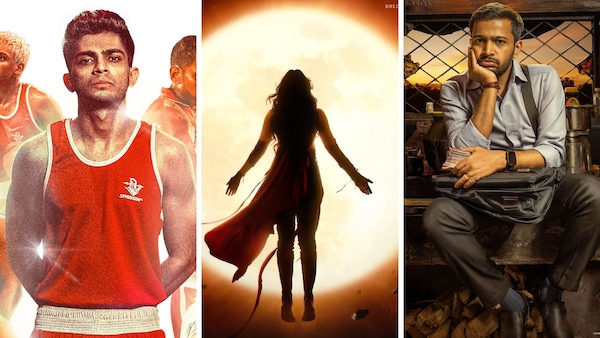
This year’s most compelling works trusted stillness, character, and ambiguity.
Last Updated: 08.50 PM, Dec 30, 2025
MALAYALAM cinema’s best work in 2025 came from films willing to slow down, look inward, and resist easy answers. Across genres, filmmakers seemed less interested in spectacle than in emotional consequence, less drawn to easy catharsis than to moral and psychological complexity. This selection reflects a cinema increasingly willing to sit with discomfort, ask harder questions, and resist neat resolutions.
*
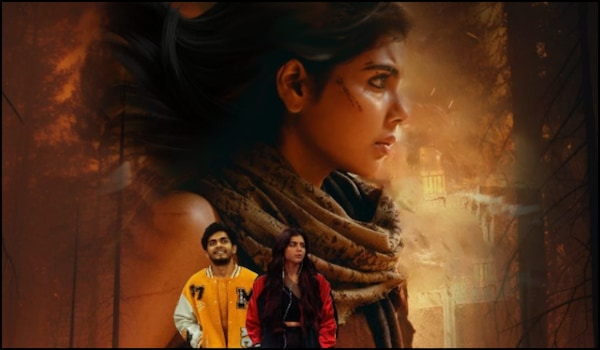
LOKAH: CHAPTER 1 - CHANDRA | Director Dominic Arun a nd writer Santhy Balachandran craft a female superhero by reworking a popular Kerala folklore and placing her in a bustling city, where she is sent on a mission to wipe out wrongdoers. Within Chandra (Kalyani Priyadarshan) resides a being caught in the memory of her deceased lover, yet resolute in carrying out her purpose. Add to this a gallery of quirky characters and a boy-next-door who falls for Chandra at first sight, and the film becomes a riveting theatrical experience. Designed as a prequel to a larger fantastical universe, the narrative also offers glimpses of two key characters, ensuring that the intrigue lingers well beyond the final frame.
Fav scene: The Chandra reveal glides effortlessly from folklore into flesh, collapsing myth and modernity into a single, arresting image.
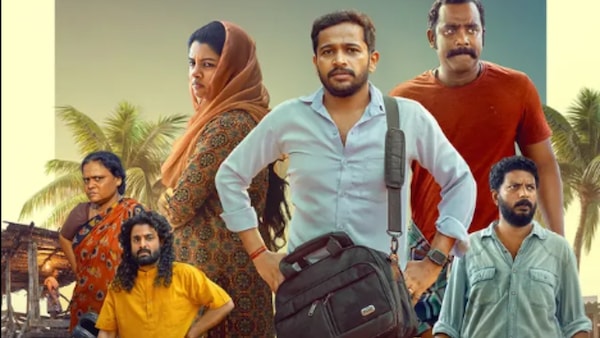
PONMAN | At the heart of Jothish Sankar’s drama is Ajesh (a superb Basil Joseph), a gold dealer who initially appears to have been deceived by a bride unwilling to return the borrowed gold. As the narrative slowly peels back its layers, Ajesh comes to see that she is equally ensnared—trapped in a marriage ruled by an abusive husband who will not let her part with it. The film delicately braids patriarchy, domestic abuse, and the quiet tyranny of dowry into its conflict, revealing a world where everyone is, in some way, a casualty of the same system. And yet, none of them yield; they cling fiercely to survival. What lingers long after is a quiet rumination on human helplessness and the stubborn will to stay alive despite it.
Fav scene: In the final scene, as Ajesh ferries Steffi away on a boat, she removes her gold, and he remarks on her glow. It’s a fleeting, tender exchange, suggestive of a possible romance. Somehow, after all the bruises the narrative carries, the moment feels exactly right.
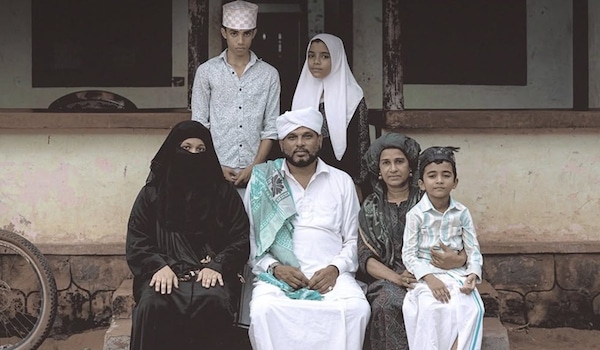




FEMINICHI FATHIMA | Feminichi Fathima follows a woman long conditioned to domesticated drudgery, trapped in a marriage where her husband offers no help, only endless taunts. Life moves on without friction until a wet mattress becomes the unlikely spark of her quiet rebellion. Set in Malabar, Fasil Muhammed’s film gently yet firmly examines gender bias, patriarchy, and the cultural constraints imposed on women. Anchored by a powerful central performance, the narrative calls out patriarchy with both grace and resolve.
Fav scene: Having endured every demand in silence, Fathima finally responds not with anger but with clarity, asking almost wearily if he has hands and legs to switch on the fan.
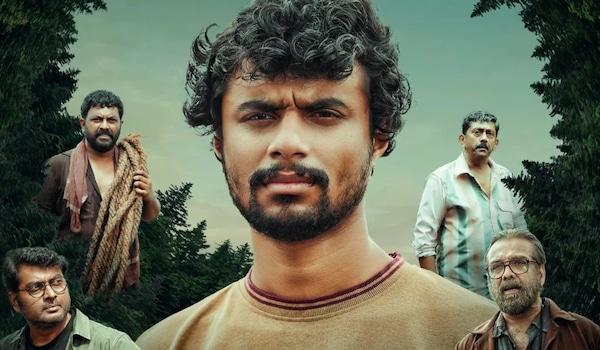
EKO | What begins as a search gradually assembles the myth and menace of a man whose disappearance has left only a trail of destruction behind. His elderly wife, Milathi Chedathi, who lives alone atop a hill, becomes a repository of gossip, rumours, and half-truths. Directed by Dinjith Ayyathan and written by Bahul Ramesh, the film once again navigates the labyrinths of the human mind, thriving at the uneasy intersection of humans, animals, and nature. Milathi’s dogs emerge as potent symbols of protection and fear, loyalty and subjugation. Intriguingly paced, with layers that seem to unravel with each visit, Eko, like the writer’s earlier works, steadfastly refuses to simplify itself.
Fav scene: The climax brings the film’s many strands together with striking control, letting staging, music, and emotion rise in unison
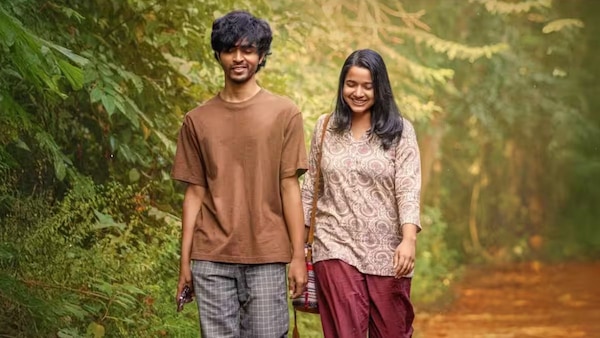
NARAYANEENTHE MOONANMAKKAL | Directed by debutante Sharan Venugopal, the film peers into the darker retreats of familial bonds, of stigma, silence, and the unspoken elephants in the room. The story begins when three brothers and their families reunite following news of their mother’s illness. What follows is not just emotional unburdening; while old conflicts remain unresolved, new bonds also begin to form, though morally grey, and shadowed by unsettling, incestuous undercurrents. Anchored by finely calibrated performances (Joju George, Gargi Ananthan), the narrative invites contemplation on the fragile, often uncomfortable complexity of family dynamics.
Fav scene: Sethu’s conversation with his nephew and niece about generational angst, lost love and fractured family dynamics.
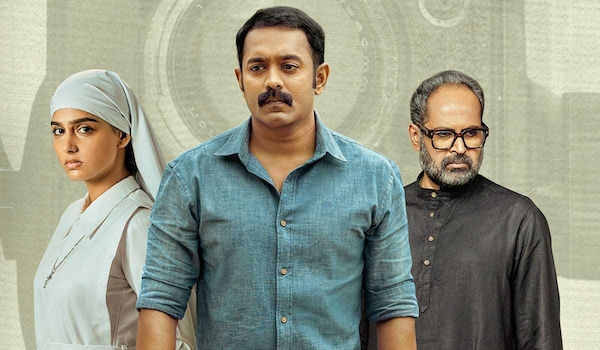
REKHACHITHRAM | When a young cop is suspended over a gambling scandal, he turns to a 40-year-old murder mystery in search of redemption. What gives the film (directed by Jofin T Chacko) its distinctive spin is the way it folds an ’80s Malayalam movie into the narrative itself, using it as both setting and memory. The result is not just a nostalgic glance at vintage cinema, but a playful, immersive act of remembrance, going so far as to recreate Mammootty through AI. Propelled by equal measures of intrigue and nostalgia, and anchored by a poignantly drawn protagonist, the film emerges as a thoroughly engaging watch.
Fav scene: The film closes on a familiar voice, giving its final moment an unexpected, poignant grace.
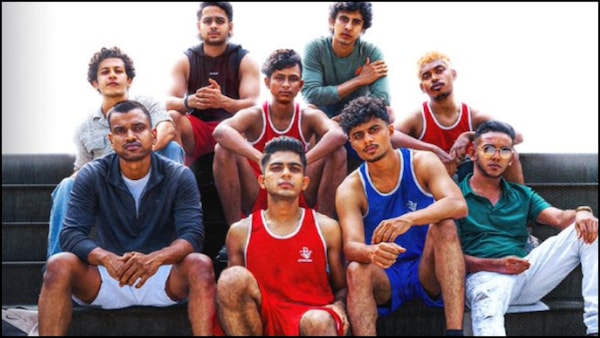
ALAPPUZHA GYMKHANA | At the heart of Khalid Rahman’s sports drama is Jojo Johnson (Naslen Gafoor), a relatable teenager who takes up boxing to secure admission through the sports quota. What follows is not just a refreshingly authentic depiction of the sport, but a conscious departure from the triumphalism and grandstanding often associated with boxing dramas. Instead, Rahman foregrounds camaraderie and shared experience over the obsessive pursuit of victory. Populated by a gallery of quirky characters and marked by a nuanced understanding of the sport, the film bears his distinctive storytelling stamp while offering a grounded, empathetic portrait of masculinity.
Fav scene: When Jojo feels insecure about his appeal to women, the moment is met not with pep talks or pity, but with a simple, instinctive gesture of love from his childhood friend that cuts cleanly through his self-doubt. Equally telling is Jojo’s open admiration for his rival’s effortless boxing skills, despite being rejected by the same woman, thereby underscoring the film’s gentle rejection of fragile masculinity.