


Monday Mayhem: Desperado - Banderas and Hayek shine in this neo-western action thriller
Robert Rodriguez’s second film of The Mexico trilogy is a throwback 90s action film rife with gunslingers and drug lords
Last Updated: 09.44 AM, May 17, 2022
In our new weekly series, Monday Mayhem, we recommend fast-paced Hollywood action films
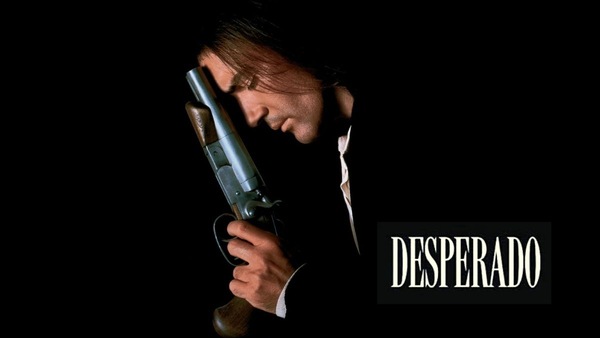
The sequel to the Mexican indie film El Mariachi is memorable for several reasons. The high octane gunfights, the unrelenting pursuit of the big bad drug lord, and the undeniable chemistry between its two lead stars, Antonio Banderas and Salma Hayek, made Desperado a cult classic of the 90s. While the first film was an indie project released in Spanish, the sequel presented Robert Rodriguez the opportunity to fully realise his vision with the backing of Columbia Pictures and a significant increase in the film’s budget.
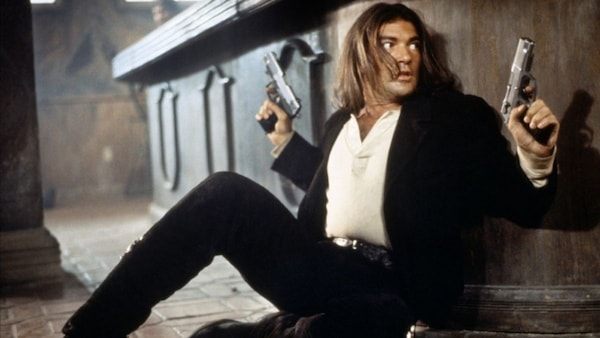
Released in 1995 and despite being touted as a sequel, including a flashback scene from the original film to confirm the same, Desperado is essentially a soft reboot of El Mariachi, with identical storylines. Antonio Banderas replaced Carlos Gallardo as the lead character, El Mariachi, and it is an upgrade that significantly elevated the film to a much higher standard than it had any right to be. The ‘wild west’ of Mexico is on full display, in all of its glory and its decadence, depicted through a small corrupt town controlled by a local drug lord named Bucho (Joaquim de Almeida). Bucho has converted all the local businesses into his own drug distribution outlets, by offering incentives or through intimidation.
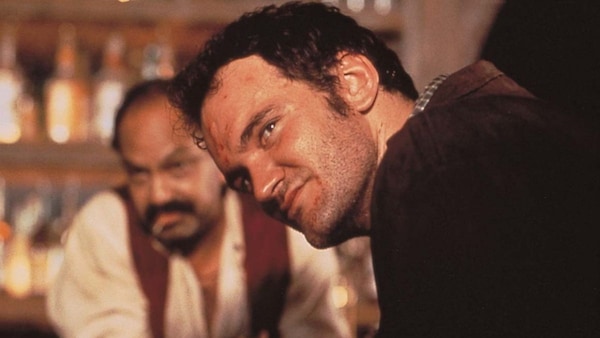
The first act of the movie is easily its best. Steve Buscemi’s opening monologue as he narrates a fascinating tale at a local bar, about a gunslinger carrying a guitar case full of guns and shooting up everything in his sight in search of a man named Bucho. This particular scene is executed to near perfection as the audience is also hooked to Buscemi’s story, just like those around him in the bar. In another scene, director Rodriguez’s long time collaborator, Quentin Tarantino, makes a cameo as an American involved in illegal business with Bucho and narrates a rather hilarious tale about a bet between a customer and a bartender.
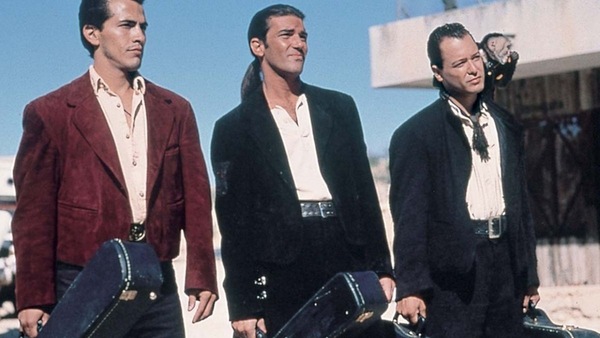
Even though the aforementioned scene bears no significance to the plot, it subtly foreshadows the message of the film’s ending that, one’s motivations and desires would essentially become redundant if they were forced to put things into perspective. While Tarantino’s cameo is short-lived, it certainly set the tone for the rest of the film. The palpable action and dark humour, which would become a signature Rodriguez style for years to come, is an integral part of the narrative structure. The stylised, and often surreal action sequences, that defy logic, add to the film’s charm, in an otherwise mundane plot. A man trying to avenge the death of his lover is hardly an earth-shattering storyline, but Rodriguez’s ability to keep his audience invested in the film from start to finish alludes to his brilliance.
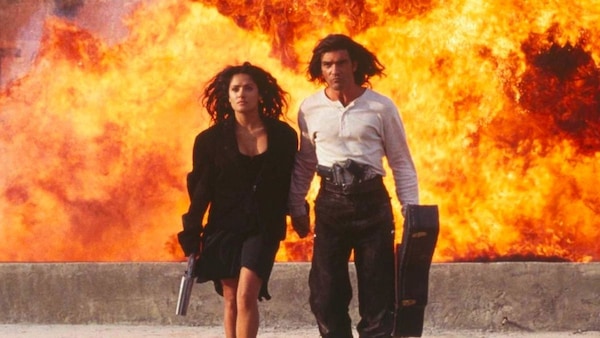
Desperado is by no means a taut intelligent film aimed at opening a socio-political discourse, but it certainly does highlight society’s descent into chaos in the face of adversity. While the choice of English as the film’s primary language over Spanish did undermine the film’s cinematic value, it has certainly made it accessible to a wider audience. But the film’s relatively weak final act is a far cry from what one would expect from an action film. The machine gun-wielding and torpedo-wielding mariachis offer unhinged entertainment value, but the uninspired climatic twist shackles the film from reaching its full potential. The film is nevertheless an action film that cannot be missed, simply because it offers a sense of cinematic style like no other.
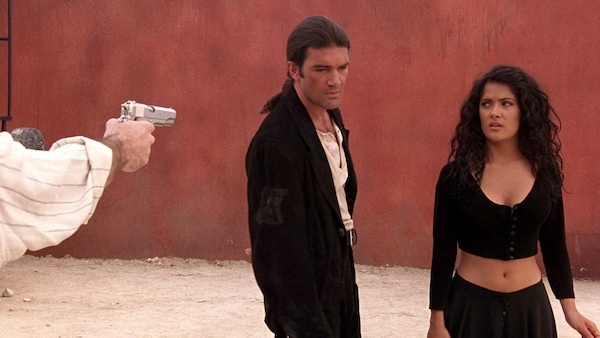
The film exposed Banderas, Hayek, and Rodriguez to a global audience, and would make them Hollywood icons for years to come.

You can watch Desperado here .