


The Land Is Dying. Pravin Selvam Hopes To Help Resuscitate It
There are over a hundred quarries in the area around the Vedanthangal Bird Sanctuary in Tamil Nadu. Once verdant land has now turned grey and lifeless, Selvam's documentary establishes.
Last Updated: 02.52 AM, Dec 31, 2023
This feature is part of a series on four Indian films that have turned a though-provoking gaze on the environment and the indigenous people who strive to safeguard it. Read the detailed editor's note explaining what this series is about, and how it ties in with the recently concluded COP 28.
***
PARCHED, cracked, desolate. Like a slow wave, the dead land is progressing rapidly forward, threatening the green and lively land in front of it. It started with one quarry and now there are over a hundred quarries in the area around the Vedanthangal Bird Sanctuary in Tamil Nadu. Several farmers are selling their lands and moving to urban areas, and the land is being mined and quarried, with the local people and wildlife left behind to deal with the consequences of this. In a drone shot in Pravin Selvam’s documentary Changing Landscape, this contrast in lands becomes shockingly apparent. The land is dying. And it’s being called development. “Two thirds of the land has been taken up by quarrying,” says Selvam. Stone quarrying was first established by the government to make highways and for road development, but it wasn’t long before private projects also started. Today, with the spot discovered, illegal quarrying is rampant in the area, slowly but irrevocably eating into the wetland.
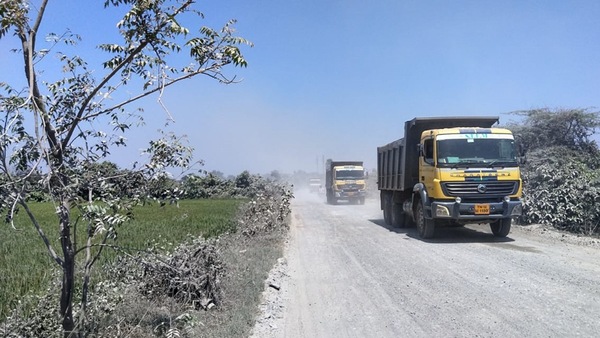
Selvam came across this issue when he was travelling extensively through the state. He started looking around, talking to locals and gaining a better understanding of the problem. Selvam also visited mining areas, shooting clips and recording all that he saw around him. “One of the men from the mining team asked to see all my clippings. He was very angry and threatened me, saying I could only leave once I’d deleted all the clips,” recalls Selvam. He had understood that there was a power imbalance in place. Normal people couldn’t raise their voice against those who were quarrying. So he went out and started talking to the locals to better grasp their perspective. “Many of them had no idea about what’s happening in their region,” he says. They allow quarrying and mining activities to start in their villages, without realising how it’s going to affect their land and health. This convinced Selvam that he must make a documentary about the issue, especially to spread awareness among the locals.
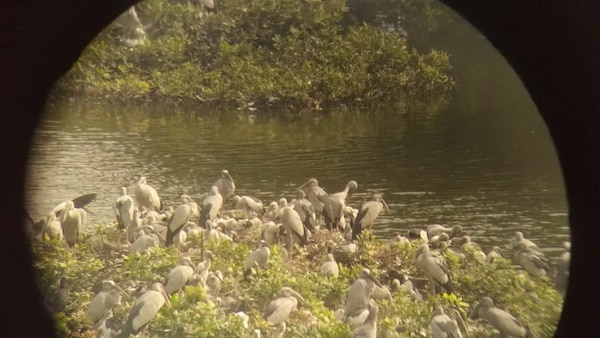
When quarrying happens, the delicate ecological balance that’s been in place for several years is suddenly threatened. The harmful chemicals from the quarrying seep into the local water bodies. The water in turn leads to a less robust yield of crops and lesser varieties of rice being grown, which then affects the farmer’s livelihood. Migratory birds like pelicans and storks which make the Sanctuary their home, hunt for food in surrounding areas since there’s a high number of grasshoppers and other insects in the wetlands. But the polluted water has destroyed the local wildlife. Coupled with the intense noise pollution in the area, birds are now forced to hunt elsewhere.
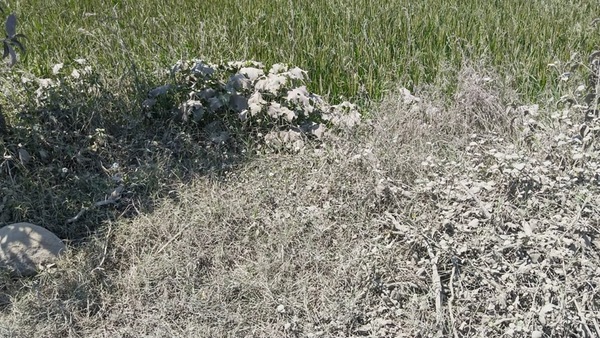
The quarrying has also led to another problematic phenomenon: dust. From the walls of houses to the fruits and vegetables people consume, everything in these areas is covered by a thick layer of dust. Inside homes, food must be covered and dust collects on the lids, and the water they’re drinking comes from tanks which have thick layers of dust in it. Crops are covered in dust and grow weaker with no proper yield. This leads to lesser grains, resulting in the farmer’s livelihoods being affected. Hay is covered with dust and when eaten by the livestock, results in health problems for the animals too. They’re dying in large numbers and again, the people’s livelihoods are affected. Dust is also in the water, meaning the fish are also affected. When the locals eat these fishes, it leads to more challenges to their health. The dust contains harmful chemicals like fluoride and chlorine which impact the health of the consumer, leading to a variety of issues, from weakness to tumours. The problem is twofold: a lack of a lab to prove this and raise the issue at an official level, and a lack of awareness, with many people just accepting this as their fate instead of doing something about the dust.
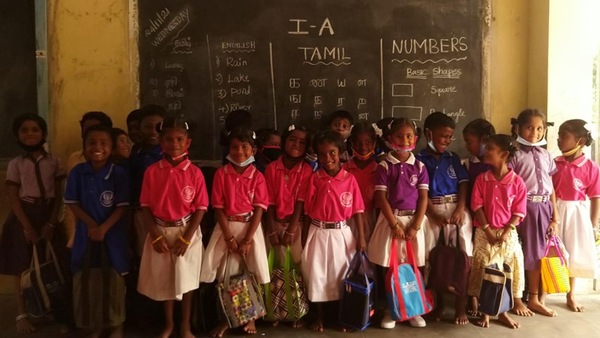
The film talks about these issues and once it was complete, Selvam played it in the village so the local people could have a comprehensive view of what has been happening. “After the excitement of seeing themselves on screen had passed, they started to really understand the situation and realised that they need to stand against quarrying,” recalls Selvam. After the shooting was done, an organic farmer named Arjun Gopalratnam raised a National Green Tribunal case against one of the quarrying units that was coming up in Nerkundram, a neighbouring town in the area. In what’s certainly a win, the high court has issued a stay order on the quarrying activities there.
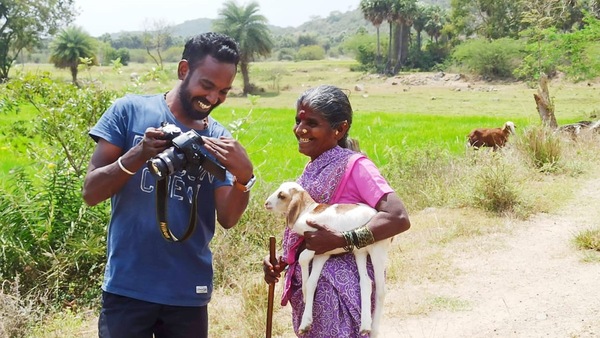
Selvam isn’t against quarrying as a whole, but simply wants to ensure that governmental guidelines are followed and illegal quarrying is challenged. He also wants to spread awareness so that locals can mobilise and protest if quarrying rights are granted too close to a water source and speak against matters that directly threaten their life. Until that starts happening, the landscape will keep changing. The hope is that the natural world won’t disappear altogether. So while making this film was often an exercise in dealing with pressure and stressors for Selvam, he was guided by the goal that he wanted to take this story to a large audience. “That’s the only way to bring about change in the future,” he says.
Images courtesy Pravin Selvam