Home » Features » Bhaavi: The Well Brings To The Fore A Community In Action
Features

Bhaavi: The Well Brings To The Fore A Community In Action

Balaji Maheshwar’s documentary feature crafts a temporal tableau of the Solaganai tribe’s long, painstaking effort to revive a 300-year-old water source in their village.

Aditya+Shrikrishna
Nov 01, 2025

Still from Bhaavi: The Well. YouTube screengrab

A MAN only with his back to us, is walking at a brisk pace along a dark forest. At least it looks like a dark forest. We see faint silhouettes of little hands on either shoulder; he is carrying a child. The image is deliberately unclear, as if to complement that precarious situation. A voice gives the numbers: seven huts, three temples and none with lights. Accessing water meant crossing two to three mountains. We then hear a story. Maybe apocryphal, maybe a legend. It is about a tiger that prowled the pathway to the only source of water. Not many had seen the tiger, but the very idea of its presence sent shivers through the people. Such was the paucity of water and the pricelessness of that only source, people braved the tiger to fetch water for their survival. But this story flips in its purport once we learn that when some people finally spotted the tiger, it walked away, leaving in its place a water source that will forever satiate the village. Suddenly, this groundwater source attains an aura, a mystical destiny that becomes dear to the indigenous tribe of Solaganai.

Stream the latest films and shows with OTTplay's Power Play monthly pack, for only Rs 149.

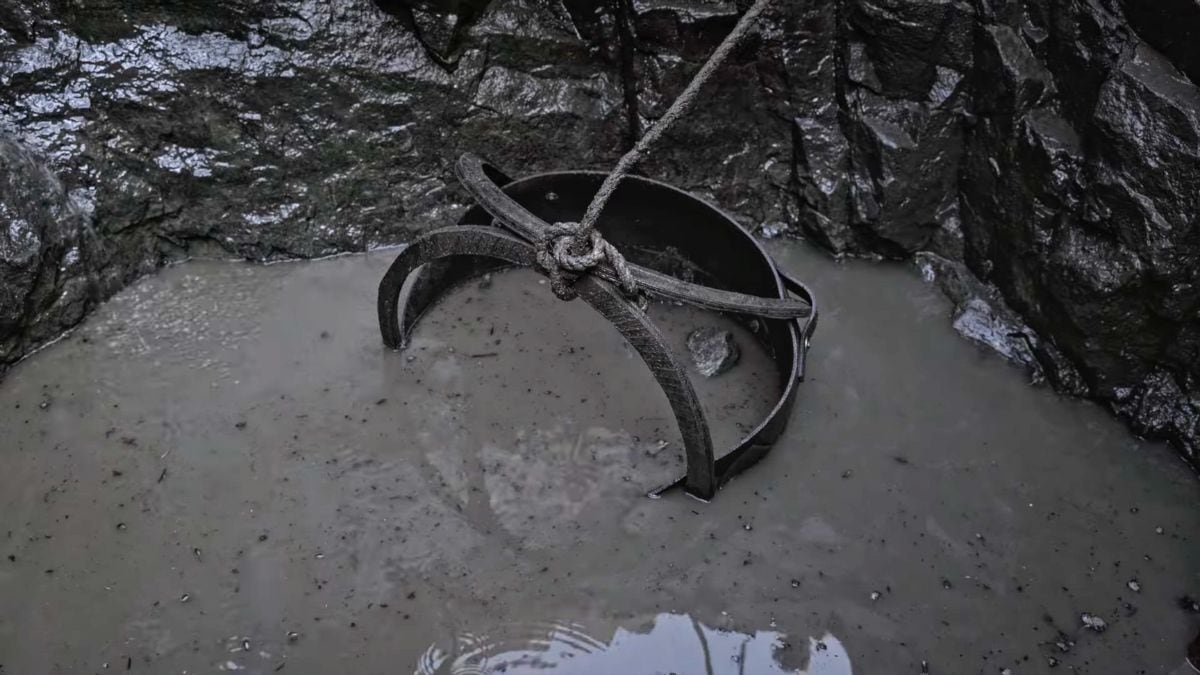
This is how Balaji Maheshwar’s Bhaavi (The Well) begins. It is about Solaganai, a tribal village at the convergence of the Eastern and Western ghats in the Tamil Nadu-Karnataka border. The Solagars are an indigenous tribe that call these forests their home. We hear some Kannada in the beginning, and then we hear Tamil, one that carries the waft of accents that this curious two-state location impresses upon it. Balaji’s feature documentary, which premieres at the Dharamshala International Film Festival this week, gives us these beautiful vistas of the southern mountains that make it hard to believe that these are places without reliable water sources. The source in the tiger story is attributed to a three-hundred-year-old well, one that people have decided to revive. We are let into the action right away — dirty water gushing out of a hose, men working deep in the crevices collecting heavy rocks, standing on precipices and slippery stones. It is immediately apparent that this is a community exercise: men burrowed deep inside the well, their hands and feet dirty and wet; a woman using a measuring tape; another man guarding the generator hired at great cost, and children looking on with interest. Black coarse slush is pumped out of the well as men continue removing rocks.
Bhaavi’s gaze towards this community and the revival effort is one of reverence. The film centres on the event with a deference usually associated with ritual. The people also call upon the well’s legendary status and its history as an ambrosia for Solaganai to draw strength for the herculean task at hand. Balaji’s crew and camera stay on the sidelines, but their attention is focused on both the process and the conversations surrounding it. A slow afternoon gets three generations talking — a man talks about floods ten years ago and how rains have become a rare occurrence now. He mentions how the well was part of his great-grandfather’s life but not his father’s. Another man wonders if the local MLA’s permission has been sought for this work. The reply is only sarcastic laughter. Why will the government bother with it when they take aeons to provide even the promised roads? For now, the forest officers’ permission is here, and they need to work fast. More time means more rocks falling and burying the well.Balaji’s film is only a little over sixty minutes, but the visuals manage to create a temporal tableau that conveys the labour and time-intensive nature of this work. It’s rare to hear conversations in this film, which is by design, and the filmmaker has taken a stylistic decision not to have subtitles during the portions that show the work at the well. All we can see are hands and legs, men and women, getting down and dirty, looking determined to be self-reliant when it comes to water. Bhaavi’s documentation of this restoration project understands not only the emotional relationship of the people to this well but also its spiritual import, its divine qualities as important to the land as water is to life. Fascinating documentaries on JioHotstar that can help you broaden your horizons. Watch them with your OTTplay Premium subscription.
Share
return(
)