We Will Always Have Mona Singh
The Hindi entertainment industry may still be figuring out how to write female characters past a certain age, but Mona Singh’s “second innings” is a masterclass, writes Swetha Ramakrishnan.
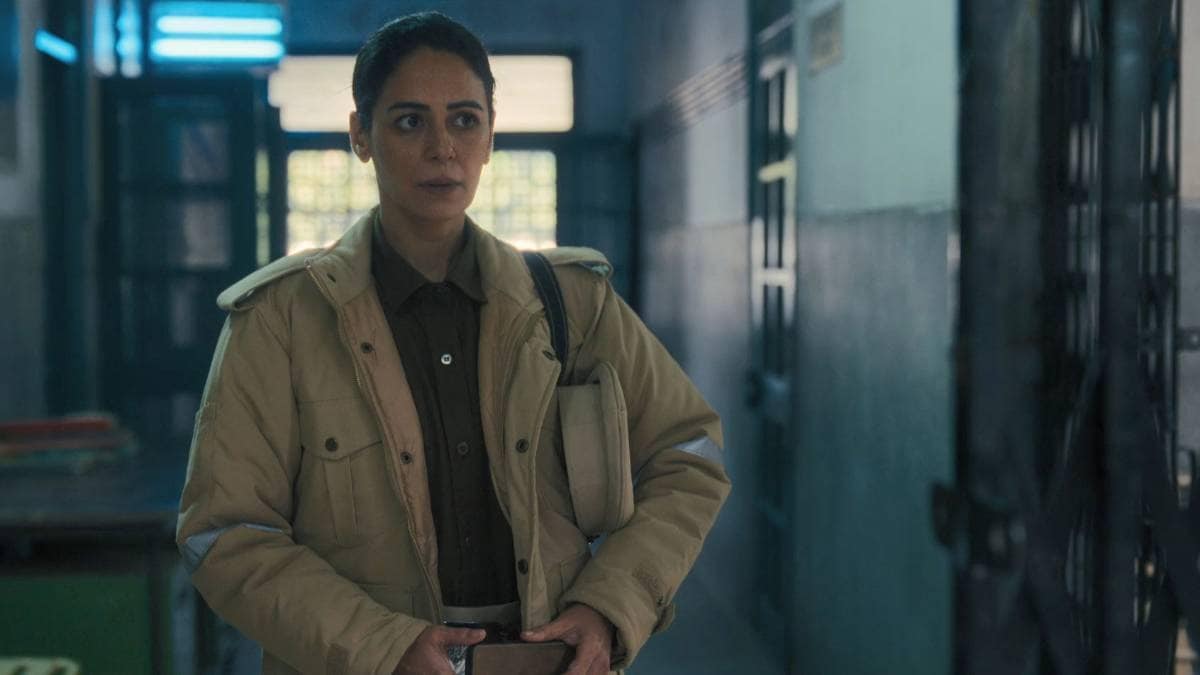
In Kohrra 2, Mona Singh carries her trauma like a handbag, putting it down every time it gets too heavy.
Makes you think: how wondrous would it be if middle-aged women on screen were allowed to simply exist in their performances, without earning their presence through suffering or sacrifice?
On that note, Singh’s choices of roles in the last few years have been interesting to watch. All her characters are complicated adults with radical “normalcy” at the forefront. She represents a demographic of women who are, what the mainstream would call, “past their prime”, and yet with each character she reaches a new level of emotional and narrative depth. I believe this is possible because of Singh’s commitment to artistic authority. Maybe she isn’t even doing all this deliberately, but this is a rare career graph of a woman who became a household name with Jassi Jaisi Koi Nahi did not let that landmark cultural moment define her range and now is exploring what her artistry looks like in a world of content expansion (and fatigue). It’s genuinely applause-worthy. I don’t think I will ever get over the last 20 minutes of Ba***ds of Bollywood, where she alters ‘90s pop culture in a groundbreaking way.Mona Singh does not appear burdened by the seriousness of her work. Compared to her performances of gravitas and excellence on screen, her interviews and off-screen moments are mischievous, punchy and animated. She pulls her costars’ legs, narrates anecdotes with a sparkle in her eye, speaks of heavy scenes like one talks about acidity, and often relies on self-deprecating humor to bring a smile to everyone’s face. The parallels are charming, to say the least. In an industry that still treats youth as a benchmark and relegates middle-aged women to archetypes like mother, mentor and moral compass, Singh’s characters are a brand of their own. The Hindi film industry has a bunch of interesting middle-aged actors who hold space without trying too hard, but Singh’s “second innings” offers a significant promise of freshness and expansion. The industry may still be figuring out how to write female characters past a certain age, but we’ll always have Mona Singh.Share