Home » Features » Salakaar Is An Espionage Thriller Low On Thrills & Authenticity
Features

Salakaar Is An Espionage Thriller Low On Thrills & Authenticity

Salakaar reduces spying to a game of bluff, relying on dated cinematic tricks instead of exploring nationhood through the eggshells of citizenship, patriotism, and the sacrifices and costs entailed.

Manik+Sharma
Aug 10, 2025

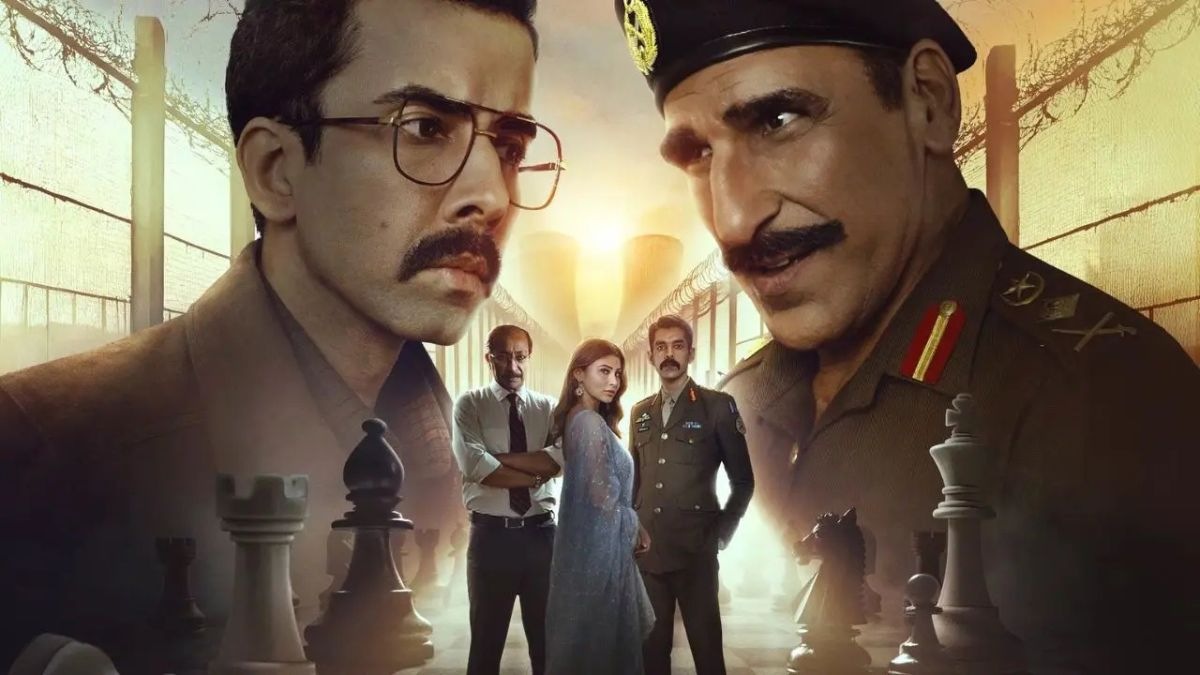
Promo poster for Salakaar.

IN A SCENE from JioHotstar’s Salakaar a dinner table conversation between Pakistan’s hardliner president Zia Ullah and a generic Indian diplomat takes an interesting turn, after the latter quotes the renowned poet Faiz. Zia admits surprise, but also elation that Faiz’s words are known by memory to people from across the border. To which, the Indian diplomat asks, “Then why ban him?”. The president’s response is both calculated and ominous: “I’d rather radicalise the youth than soften them,” he says. It’s a scene that teases a show that might eke something nuanced out of a toxic history we’ve burned and re-threaded countless times over. Unfortunately, the scene is more exception than rule in a series that operates missions in two different timelines, but fails to do justice to the severity and sensationalism of either.We begin in present-day Pakistan, where Colonel Ashfaq Ullah (Surya Kumar) gets his hands on a secret nuclear blueprint that he intends to use for nefarious purposes. Ashfaq is having an affair with Indian agent Shrishti (Mouni Roy), who has fallen so deep into the covertness of her mission that she shares cigarettes with him after sex. It’s a bizarre introduction to a character you are urged to associate with some sort of austerity. And yet it’s Roy’s kohl-lined eyes, her flawless figure and her incapacity to emote her tenuous circumstances that precede her landing. There’s far too much honey in this lazy trap, with reluctance and self-loathing strangely absent from view. ALSO READ | Naveen Kasturia on playing a parent for the first time in Salakaar, training in action and finding bliss after marriage
The news of Ashfaq’s treacherous designs reaches RAW’s headquarters, which summons into the picture India’s formative defence brain — a loosely based character sketch of Ajit Doval, named Adhir Dayal (aka the salakaar). On hearing about Col Ashfaq’s designs, Dayal launches into the story of his colourful past that’ll turn this five-episode series into a familial battle of sorts. Deputed in Islamabad during the late 70s, a young Dayal, played by Naveen Kasturia, investigated President Zia’s covert plan to take Pakistan nuclear. The present and the past are interlinked through bloodlines, audaciously poor spy tactics and some really underwhelming performances. In the 70s, for example, Adhir uses school-level cosplay to fool Pakistani soldiers and security personnel — including a rather churlish exchange with a premier Pakistani weapons scientist. In the present, Shrishti’s peculiar approach to spying is punctuated by, on the one end, AI-powered spectacles (which no guard has noticed, apparently) that immediately transmit images and, on the other end, keypad-era cellular phones from the 90s. It’s a poorly concocted mess of ideas, tropes, stereotypes and lethargic execution.
Directed by Faruk Kabir, the one bit where Salakaar briefly feels inspired is the casting of Mukesh Rishi as the zealot Zia, less interested in building a nation than he is in tormenting the neighbour he despises with a grudge that borders on barbarism. In a particularly uncomfortable scene, Zia, unilaterally sticking to his pitch of radicalising the young, hands his grandson a blade to take to the bleeding body of the man who tried to kill him. Adhir, as he recalls in his boastful nostalgia trip, was made to watch as a statement of unflinching intent. It adds to the beastly profile of enemy soldiers and generals we have seen countless times on screen, but in Rishi’s icy gaze and steely baritone, there is the hint of something both sinister yet awkwardly human. If only the writers and creators of this show could have explored hate and animosity as launchpads for investigating the twisted heart of conflict as opposed to its plain, performative surface.
The most disappointing bit about Salakaar however, isn’t its reverence for its protagonists but the way it harks back to the cinematic tools of the 90s to equate slow-motion shots with criticality, background music with substance and the notion of spying, as a game of bluff as opposed to a study of nationhood as seen through the eggshells of citizenship, patriotism and by extension sacrifices and costs. On paper, the show offers the promise of exploring the penalising nature of the global spy game. What it instead becomes is a gummy ode to an intelligent brain, that if anything, fails the very man it works hard to crown.

Catch espionage thrillers on JioHotstar like Special Ops Season 1, Special Ops 1.5: The Himmat Singh Story, and more via OTTplay Premium now!

Watch more of Naveen Kasturia here
Espionage takes you to a variety of emotional realms because it is, by definition, an act of subversion, of deserting the very instincts that make us who we are — humanity. It’s why we keep returning to these worlds to explore and inquire, not just the livery of countries and the conflicts they are shaped by, but also to ask what it means to be human. How do we separate duty from deliverance, family from selfhood and identity from nation? Even those of us viewing from the couches of our home are defined by some, if not all, of those things. Those operating within the matrix of all three, their lives ought to evoke something sobering, layered and if nothing else, compelling. Salakaar unfortunately, offers neither. Salakaar is streaming on JioHotstar, now available with your OTTplay Premium subscription. Watch Salkaar here.
Share
return(
)